Buying Orono Lake Minnetonka Homes on the Shoreline
Morning coffee at the water’s edge, kids jumping off the dock, sunset cruises after work — if that is your dream, Orono’s slice of Lake Minnetonka deserves a close look. You likely want clear answers on pricing, docks, permits and what ownership really involves before you schedule tours. In this guide, you’ll learn how the lake is regulated, what homes and lots typically offer, how prices and inventory trend, and the due diligence steps that protect your investment. Let’s dive in.
Orono sits on the north and northwest shoreline of Lake Minnetonka in Hennepin County. Shoreline ownership touches several layers of rules, so it helps to know the players from day one. The City of Orono manages local zoning and a shoreland overlay, while the Lake Minnetonka Conservation District (LMCD) regulates lakewide items like docks, moorings and many on‑water rules. You can review Orono’s ordinance resources and shoreland updates on the city’s site and lakewide guidance for shore owners on the LMCD site.
The Minnesota Department of Natural Resources (DNR) issues Public Waters Work Permits for many in‑water or shoreline alterations. Hennepin County oversees waterway safety through the Sheriff’s Water Patrol and handles private septic oversight in many cases. Confirm who regulates what early to avoid surprises.
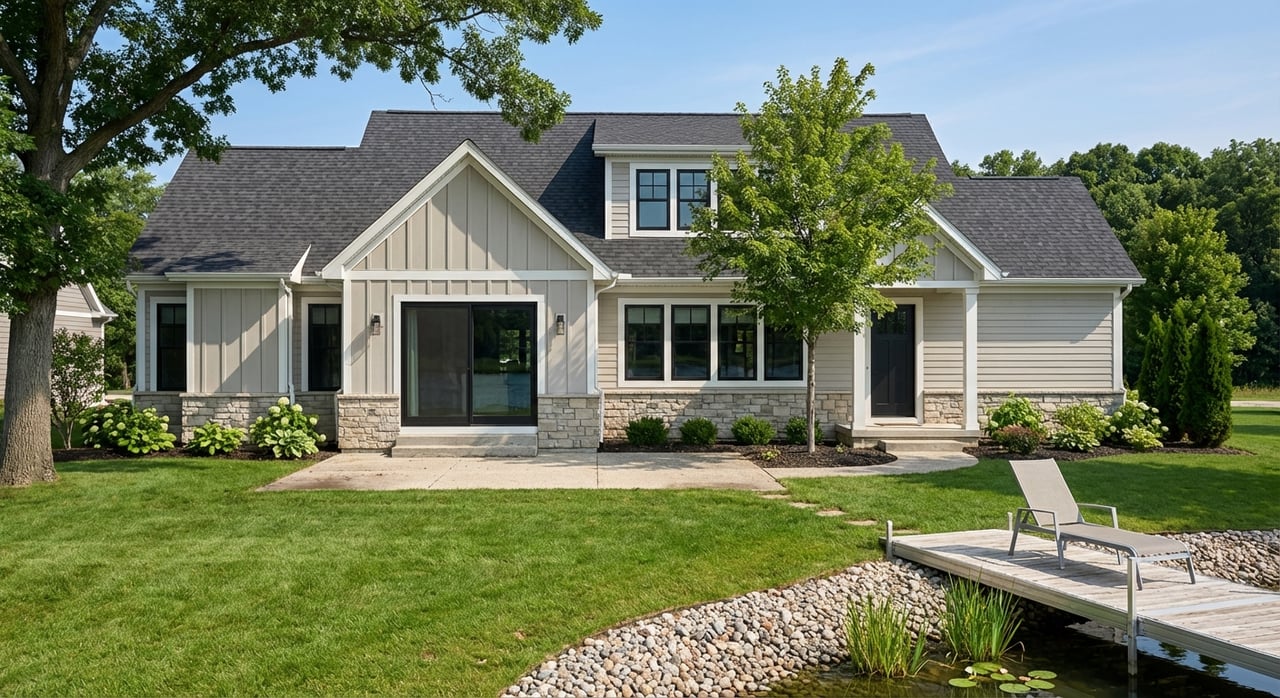
You will see everything from modest lots to estate parcels. Many properties feature tree cover, riprap or sand beach segments, and sloped lawns or bluff protections. Shoreline length and lot geometry strongly influence dock entitlements and watercraft density. The LMCD measures shoreline at the Ordinary High Water Level (OHWL), which is the standard reference on Lake Minnetonka.
Dock allowances, side setbacks and watercraft density rules vary by site and are codified by the LMCD. Examples include shoreline‑length caps and density formulas such as a 1 watercraft per 50 feet guideline in some contexts. Temporary removable docks are treated differently than permanent pile structures or boathouses. Existing docks may be legal, licensed, or nonconforming. Documented rights and recorded easements are material to value and day‑to‑day use. The LMCD’s shore owner page is a good starting point for confirming what is allowed on a given parcel.
Many lakeshore lots in Orono use private septic systems, though some areas connect to sewer. Older systems are common. Expect your lender to request a septic compliance inspection, and plan for upgrades if you add bedrooms or renovate. Hennepin County issues Certificates of Compliance with specific validity windows and provides clear rules on inspections and maintenance.
High‑end features often include private docks with lifts or canopies where permitted, large lawns that slope toward the water, terraces and patios, and accessory buildings. Some historic cottages have given way to custom estates. Value varies by bay, exposure, frontage, and the status of dock rights and structures.
Orono sits at a premium price point. Market snapshots show seven‑figure medians citywide, with lakefront commanding a significant premium. As a reference point, Rocket Homes reported a June 2025 median sold price near $1.23M for Orono. On the shoreline, realistic ranges run from the low million for modest frontage or older cottages to several million for larger frontage, estate lots or major renovations. Exceptional properties can exceed that.
Inventory for true lakefront is usually thin. At any time, it is common to see only a handful of active shoreline listings across the broader lake. Be prepared to act quickly when the right fit appears and to consider off‑market or coming‑soon options with your agent. Treat these ranges as broad context only, and always confirm current comparables in the MLS before you write an offer.
Warm months bring boating, wakesports, swimming and lakeside entertaining. Fall often means quieter water and memorable sunsets. The LMCD sets rules that balance recreation with shoreline protection, including slow or no‑wake buffers near shore and enhanced restrictions when lake levels are elevated. Recent updates widened the no‑wake buffer to 300 feet from shore, which influences where wake‑intensive activities are legal near your property.
For rule updates and lakewide initiatives, review LMCD projects and initiatives.
Once the lake freezes, you will see ice‑fishing and snowmobile activity where permitted. Winter is also a good time for on‑site maintenance and planning. The Hennepin County Sheriff’s Water Patrol announces ice‑out each spring and provides safety updates during busy seasons.
For safety and patrol services, see Hennepin County Water Patrol.
Lake Minnetonka levels are monitored in coordination with Gray’s Bay Dam operations. High‑water declarations can trigger special operating rules that affect dock use and boating. Plan for seasonal water fluctuations when choosing lifts, dock height and shoreline stabilization.
Water quality varies by bay and year. Some bays are impaired for phosphorus and can show algae pressure during summer. Lake Minnetonka also has established aquatic invasive species such as zebra mussels and Eurasian watermilfoil. Before you buy, review conditions for the specific bay you are targeting. The Minnehaha Creek Watershed District maintains a helpful dashboard for local water bodies. Explore the water quality dashboard as part of your research.
Owning on the shoreline means some features are regulated separately from the house. Use this checklist to reduce risk and protect your future plans:
Common ongoing costs include dock and lift maintenance or replacement, shoreline stabilization and native planting work, septic pumping or replacement, participation in local AIS prevention efforts, specialized insurance and Hennepin County property taxes. Exact numbers vary by lot, structure age and shoreline condition.
Secure pre‑approval or proof of funds. Work with a local agent who understands LMCD rules, septic requirements and shoreline overlays. Pre‑review public records for each candidate property, including dock licenses, variances and any recorded easements, so you can write a strong, clean offer when the right home appears.
Keep inspection contingencies, but schedule specialized inspectors immediately after mutual acceptance to avoid delays. For higher‑value homes, bank appraisals may take additional time or require special comparable analysis. Coordinate early with your lender and agent.
If you plan dock or shoreline changes after closing, confirm LMCD requirements and whether DNR permits apply before you start designs. Shoreline contractors often book early for spring and summer. Build application time into your post‑closing plan.
Orono’s Lake Minnetonka shoreline is a premium category with limited supply and meaningful variation by bay, frontage and on‑site systems. If you prioritize documented dock rights, a current septic compliance report where applicable, a shoreline and structural review, and early insurance quotes, you will navigate the process with confidence and protect your long‑term enjoyment.
If you want a calm, data‑minded guide for tours and due diligence, reach out to Blake Halverson Real Estate. Let’s line up the right homes, verify the details that matter, and make your lake move with clarity.

Whether you are buying, selling or investing in real estate, Blake has a proven track record to be the versatile agent you need. Through strong, aggressive representation, Blake will help you achieve your desired outcomes.

7700 FRANCE AVE S STE 230 EDINA MN 55435