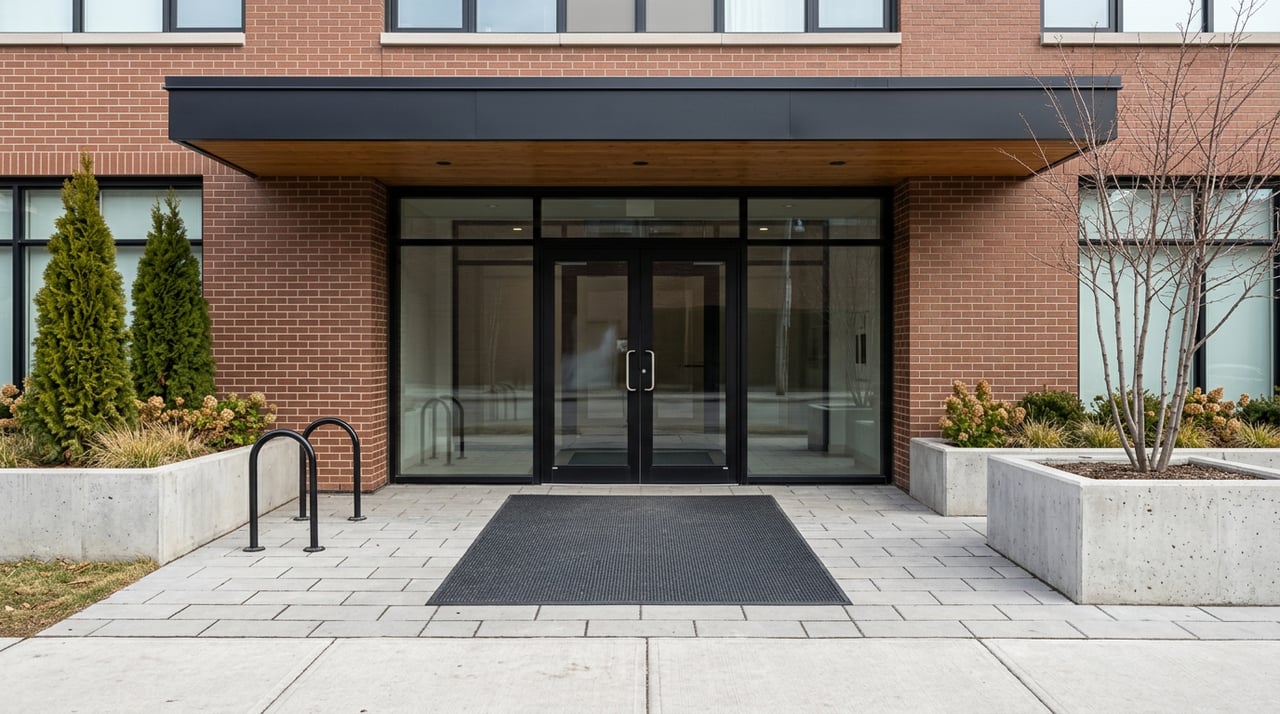
What to Know as a First-Time Minneapolis Condo Buyer
Thinking about trading rent for a condo key in Minneapolis? You are not alone. Condos can be a smart first step into homeownership, but the building’s rules, fees, and financing add extra layers you will want to understand before you write an offer. In this guide, you will learn how condo ownership works in Minnesota, what HOA dues really cover, the lender rules that can make or break a deal, and how Minneapolis stacks up against nearby Hennepin County suburbs. Let’s dive in.
In Minnesota, condo ownership is governed by the Minnesota Common Interest Ownership Act (MCIOA). You own your unit as a separate parcel plus a share of the common elements, and you agree to follow the association’s rules and pay assessments. That legal setup is why association health and finances matter to your day-to-day living and your ability to get a loan.
If you buy a resale unit, you have a right to a standardized resale disclosure packet. The association must provide a resale disclosure certificate within 10 days after the seller requests it. Get this packet early during your contingency period. It includes the declaration, bylaws, budget, insurance summary, reserves information, and the certificate itself. The certificate is binding in key ways, including what assessments are owed, so review it closely.
Monthly dues fund the services and long-term care of the building. Typical inclusions are:
Fee amounts vary with building type and inclusions. For context, a 2025 analysis showed a Minneapolis–St. Paul metro median HOA fee around 278 dollars per month for listings with dues. In Minneapolis, many buildings land roughly 200 to 600 dollars per month, while downtown high-rises and luxury towers can go much higher. Always verify what is included so you can compare apples to apples.
Healthy reserves protect owners from surprise bills. Industry best practice calls for a current reserve study and a clear funding plan so big-ticket items like roofs, facades, elevators, or parking structures are paid from reserves instead of one-off special assessments. Many lenders look for a clear reserve contribution in the annual budget. A common benchmark is around 10 percent of the total budget allocated to reserves or a current reserve study that supports the funding plan.
Red flags include tiny or no reserves, repeated special assessments, and budgets that mask deficits with transfers. These issues can raise your costs and even block buyer financing in the building. Ask for the reserve study, current reserve balance, and a list of recent or planned capital projects with costs.
Condo financing looks at you as the borrower and at the project as a whole. Lenders follow Fannie Mae and Freddie Mac project standards for conventional loans, and FHA or VA have their own rules. If a project is non-warrantable, standard conventional financing can be limited.
What lenders often check:
If you plan to use FHA, the building usually needs FHA approval, though some single-unit approvals are possible. Approval status and recertification timelines matter, so check early. If a building is not eligible for conventional or FHA, some lenders may offer portfolio options, but terms can differ.
Minneapolis condos tend to offer a more walkable lifestyle with quick access to transit, restaurants, lakes, and parks. In core areas like Downtown, the North Loop, and Uptown, you often see smaller footprints and higher price per square foot. Fees can be higher if the building has elevators, security, or staffed amenities.
In nearby Hennepin County suburbs such as Edina, Minnetonka, Hopkins, and St. Louis Park, you might find larger floor plans or lower price per square foot for the same budget. HOA dues often cover exterior care and landscaping but may be lower than downtown high-rise fees. Pricing varies by neighborhood. For broader context, Twin Cities reporting in early 2025 showed a metro median home price near the upper 300s, while many condos and townhomes sit below single-family medians. Ask for current neighborhood-level MLS stats before you compare options.
Build your monthly budget with every condo cost in view. Include:
Sample structure only. Numbers will vary by building and lender.
Ask your lender for a full payment estimate and include the HOA. After closing, apply for homestead classification with Hennepin County if you qualify, and confirm deadlines.
If you want a calm, data-minded guide through the Minneapolis and west metro condo market, connect with Blake Halverson Real Estate. You will get clear next steps, responsive communication, and seasoned negotiation from offer to close.
Whether you are buying, selling or investing in real estate, Blake has a proven track record to be the versatile agent you need. Through strong, aggressive representation, Blake will help you achieve your desired outcomes.
7700 FRANCE AVE S STE 230 EDINA MN 55435