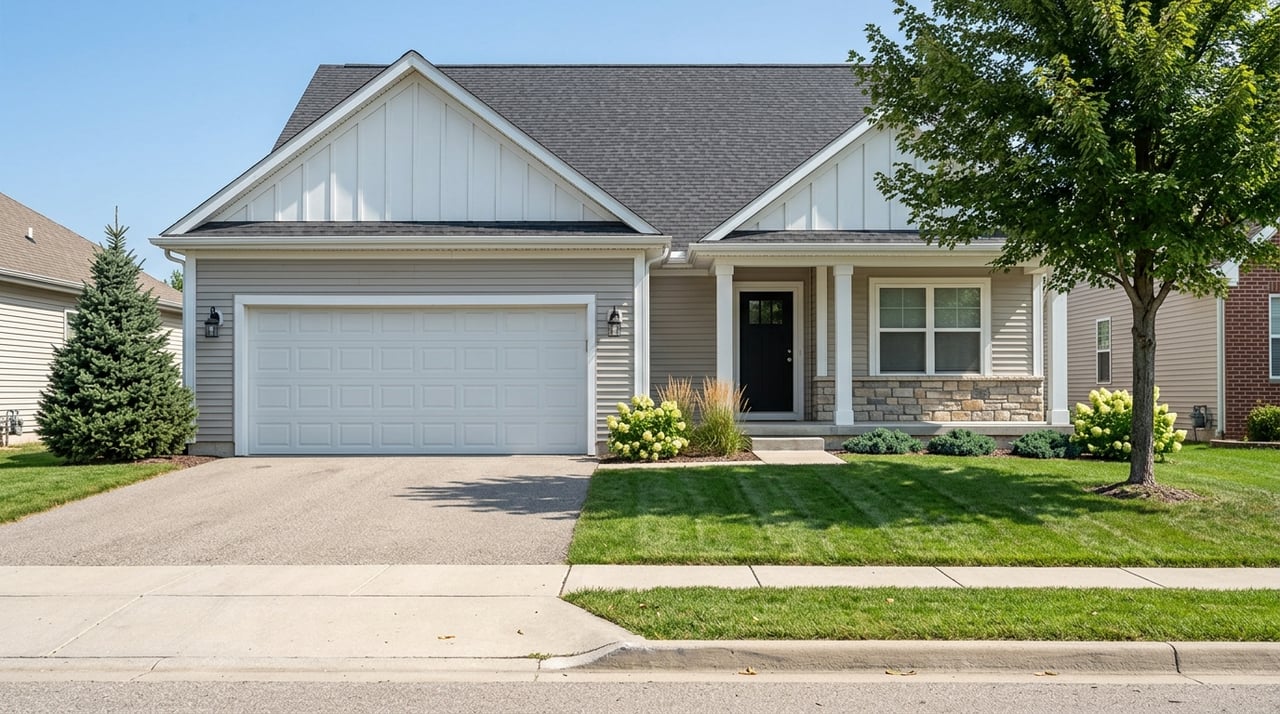
Relocating to Plymouth MN: A Guide for Newcomers
Thinking about moving to Plymouth? If you are coming from outside the Twin Cities, it helps to know that Plymouth offers more than a simple suburban address. You get a city with a large job base, strong park access, a range of housing types, and practical connections to Minneapolis and other west metro destinations. This guide walks you through what daily life in Plymouth can look like, what to watch during your home search, and which questions can help you make a confident move. Let’s dive in.
Plymouth stands out because it combines suburban living with access to jobs, services, and recreation. According to Census QuickFacts for Plymouth, the city has 78,551 residents, a 21.7-minute mean commute, a 75.1% owner-occupied housing rate, a median owner-occupied home value of $491,200, and a median household income of $136,534.
The city is also a major employment center. The official city business page notes that Plymouth has roughly 53,000 to 55,000 jobs, with strong concentrations in manufacturing, wholesale trade, and professional, scientific, and technical services. If you want a location that can support both commuting out and working closer to home, Plymouth’s business overview shows why the city gets attention from relocators.
One of Plymouth’s biggest practical advantages is highway access. The city says downtown Minneapolis is about 12 miles away, and Plymouth is crossed by I-494, Highway 169, Highway 55, and I-394. For many newcomers, that means you can reach different parts of the metro without feeling cut off from urban job centers.
Plymouth is still a highway-oriented suburb, so your daily routine may depend a lot on which side of the city you choose. A home near your most-used route can make a big difference in your workday. During a relocation search, it is smart to map not just your ideal commute, but your backup route too.
If you prefer not to drive every day, Plymouth does offer commuter-friendly transit options. The city says Plymouth Metrolink includes express bus service to downtown Minneapolis and the University of Minnesota, reverse commuter service to Plymouth employment centers, and on-demand shuttle service within the city.
For local flexibility, Click-and-Ride runs seven days a week and costs $3 per trip. It serves locations within Plymouth and select nearby destinations, including Ridgedale Center, Colonial Square in Wayzata, Golden Valley Center, and Maple Grove Transit Station. That can be helpful if you want a second transportation option for errands, appointments, or commuting connections.
Plymouth’s park-and-ride network includes Station 73, St. Philip Park and Ride, Northwest Greenway Pavilion, Plymouth Ice Center, the former Four Seasons Mall site, and The Reserve walk-up shelter. For many buyers, being near one of these locations can shape how convenient a home feels day to day.
If Highway 55 is part of your routine, pay attention to current road conditions. The city notes that the Station 73 TRIP project continues into 2026. If you are touring homes near that corridor, checking active construction updates before scheduling can save time and frustration.
For many newcomers, Plymouth works well because daily needs are spread across several practical destinations rather than concentrated in one small downtown. The city’s City Center planning page describes Plymouth City Center as roughly one mile west of I-494 on Highway 55, with City Hall, the Plymouth Library, the Hilde Performance Center, the Plymouth Ice Center, businesses, restaurants, and other services nearby.
That same area continues to evolve. In 2023, the city updated zoning to allow apartment, townhome, and mixed-use residential development in City Center. If you like being near amenities and newer housing possibilities, this may be an area worth watching closely.
Plymouth offers a mix of established errand stops and growing commercial areas. City materials also point to retail and service nodes around Vicksburg Crossing and the Shops at Plymouth Creek, including dining, a movie theater, coffee shops, retail stores, and health and dental offices.
From a relocation standpoint, this means you can compare homes not just by price or layout, but by how easily they connect to your regular routine. A property that shaves time off errands, workouts, or library trips may fit your life better than one that only looks good on paper.
Outdoor access is one of Plymouth’s strongest lifestyle features. The city’s Parks and Recreation department lists 68 developed parks, more than 1,834 acres of parkland, a 186-mile network of city, state, and regional trails, and three public beaches.
That matters for more than weekend recreation. Trails, beaches, and park spaces can shape how connected you feel to a city after you move. If you value walking, biking, or quick access to open space, Plymouth gives you many options to explore.
The Northwest Greenway adds nearly 315 acres and 7.7 miles of paved trails, with connections to the Medicine Lake Regional Trail, French Regional Park, and Elm Creek Park Reserve. That broader network gives Plymouth a more connected outdoor feel than many buyers expect from a suburban city.
Nearby regional parks add even more variety. French Regional Park in Plymouth offers a beach, fishing pier, lighted trails, and trail connections, while Elm Creek Park Reserve includes 4,900 acres and miles of hiking and biking trails. If park access is high on your list, this is one of Plymouth’s clearest advantages.
A lot of out-of-area buyers picture Plymouth as mostly detached single-family homes, but the housing stock is more varied than that. The city’s housing plan describes the mix as roughly 53% detached housing and 47% multiple housing, including apartments, duplexes, townhomes, and other multi-unit homes.
That variety can be a real benefit during a move. Whether you want a detached home, a townhome with less exterior maintenance, or a place to rent before buying, Plymouth offers multiple paths into the market. It is a good reminder not to narrow your search too quickly.
Current Census figures show a 75.1% owner-occupied rate and a median owner-occupied value of $491,200. Those numbers suggest a market that remains strongly owner-occupied while still offering more than one housing format.
For newcomers, this means it is worth comparing property types side by side. In some cases, a townhome or condo in a convenient location may line up better with your budget, commute, or maintenance goals than a detached house farther away from your daily destinations.
Not every part of Plymouth will feel the same. The city’s planning materials show continued change in City Center and ongoing study around the I-494 and Highway 55 gateway area. Some locations near major corridors may feel more mixed-use, traffic-oriented, or change-prone than quieter residential pockets farther from Highway 55.
That does not make one area better than another. It simply means your best fit depends on what matters most to you, whether that is quick highway access, proximity to services, or a more established neighborhood setting.
When you are new to Plymouth, asking the right questions can help you read a property more clearly. A home may look great in photos, but its location within the city can shape your experience just as much as the floor plan.
Here are a few practical questions worth asking:
If you are relocating on a tight timeline, renting first can give you time to learn the city before buying. Plymouth requires a rental dwelling license for all rental dwellings, and the city inspects apartment buildings annually while other residential rental housing is inspected every three years.
That structure can offer useful peace of mind when you are moving from out of town. The city also notes that qualifying households may have access to a first-time homebuyer deferred loan of up to $35,000 and a home rehabilitation loan of up to $40,000 through the HRA. If you are weighing rent-versus-buy options, local programs may be worth reviewing as part of your planning.
Plymouth offers a well-rounded relocation option if you want suburban living with practical access to jobs, highways, transit options, shopping, and outdoor recreation. It also gives you more housing variety than many out-of-area buyers expect, which can make your move more flexible.
The key is to look beyond the listing itself. When you compare commute patterns, park access, housing type, and the feel of each area, you can narrow in on the part of Plymouth that best fits your daily life. If you are planning a move and want local guidance on neighborhoods, showings, or timing, Blake Halverson Real Estate can help you make your next step with clarity and confidence.


Whether you are buying, selling or investing in real estate, Blake has a proven track record to be the versatile agent you need. Through strong, aggressive representation, Blake will help you achieve your desired outcomes.

7700 FRANCE AVE S STE 230 EDINA MN 55435