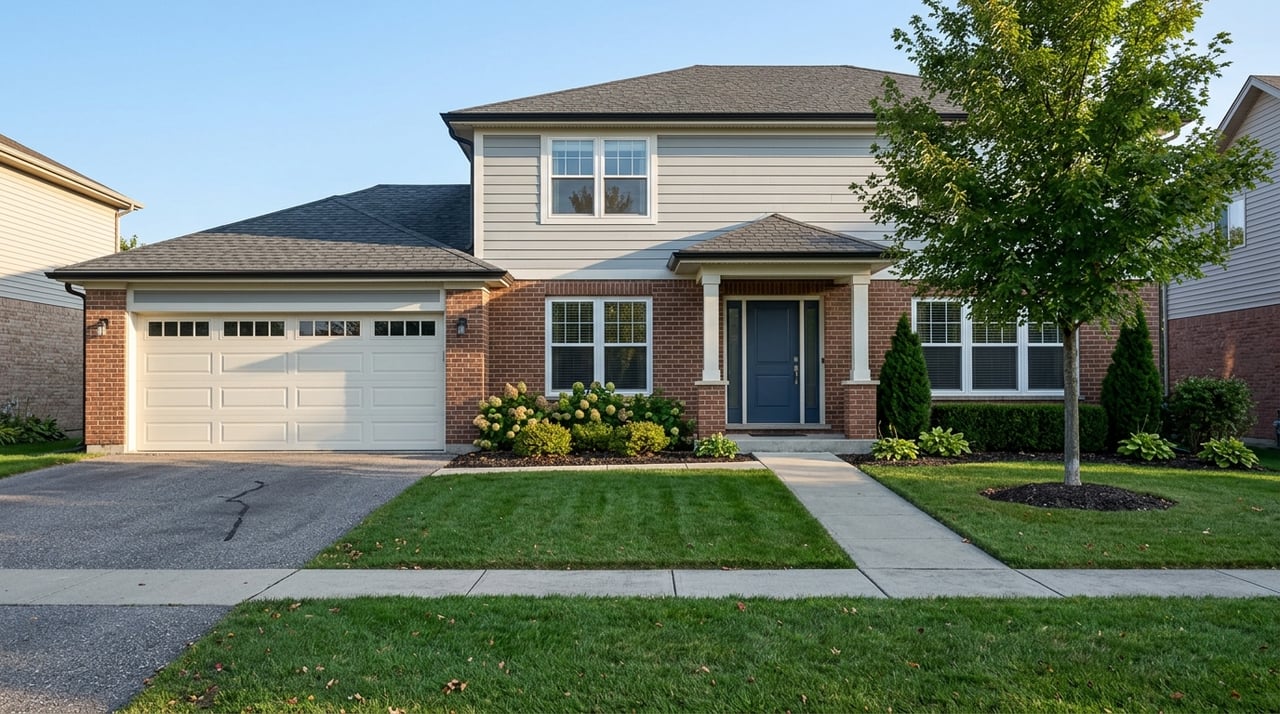
Maple Grove Investment Property Guide for Rental Buyers
If you are thinking about buying a rental in Maple Grove, you are not alone. This part of the northwest Twin Cities offers a mix of strong job access, suburban amenities, and a housing stock that includes more than just single-family homes. The key is not simply finding a property to rent out. It is choosing the right type of rental, understanding Maple Grove’s licensing rules, and building a realistic plan for costs and compliance. Let’s dive in.
Maple Grove has the profile many small investors look for in a suburban market. The city’s estimated population reached 72,739 in July 2024, up 3.5% from April 2020. That kind of growth matters because it supports ongoing housing demand over time.
The city is also mostly owner-occupied, with 82.3% of homes occupied by owners. That can be appealing if you want to invest in a market that feels established rather than heavily transient. At the same time, renter demand is still meaningful, with median gross rent at $1,868.
Another piece of the story is household stability. Census figures show 24.1% of residents are under 18 and 14.5% are 65 or older, while median household income is $129,481 and average household size is 2.54. In practical terms, Maple Grove tends to attract established households, move-up renters, and some downsizing renters who want suburban convenience.
One reason Maple Grove stands out is employment access. The city reports more than 2,000 businesses, more than 12,500 jobs added since 2011, and a projection of 47,000 jobs by 2040. That gives you a broad base of potential renters tied to healthcare, retail, office, and other local employment centers.
Transportation also helps support demand. Maple Grove highlights access to I-94, I-694, I-494, Highway 169, and Highway 610. For a landlord, that kind of connectivity can widen your potential renter pool because it works for people commuting in multiple directions.
Lifestyle matters too. Maple Grove reports more than 55 miles of trails and more than 50 parks. Those community features can help support long-term renter interest in the area, especially for tenants who want a suburban setting with everyday recreation nearby.
Not every investment strategy works the same way in Maple Grove. The city’s housing stock is still led by detached homes, but there are several rental-ready categories to consider.
According to the city’s 2023 demographics estimate, 64.38% of housing is one-unit detached, 21.84% is one-unit attached, and 9.47% is in buildings with 20 or more units. The city also notes that apartment and townhome construction has outpaced single-family construction since 2010, which points to growing housing diversity.
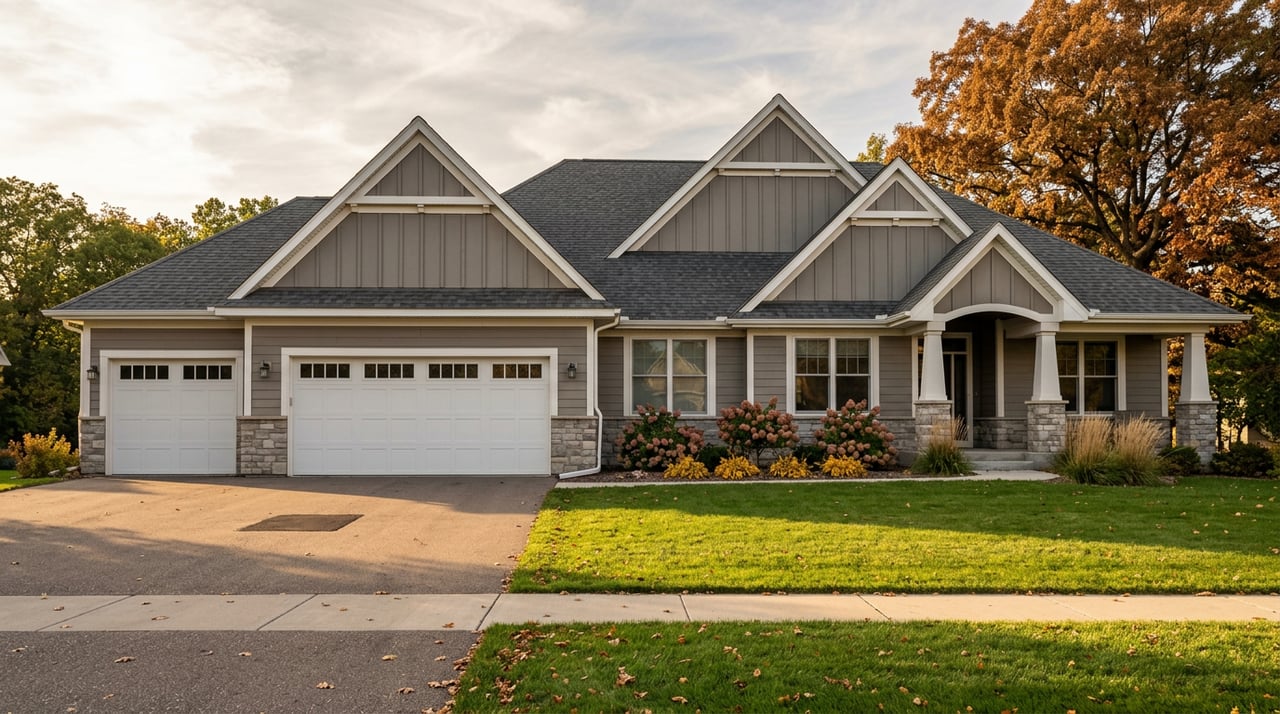
A detached home may appeal if you want a property type that aligns with Maple Grove’s owner-heavy housing base. This can be a fit for investors targeting longer-term tenants who want more space, a garage, or a traditional suburban home layout.
The tradeoff is usually a higher purchase price and larger carrying costs. With a median owner-occupied home value of $397,400 and median monthly owner costs with a mortgage at $2,216, you need to underwrite carefully before assuming a detached home will cash flow well.
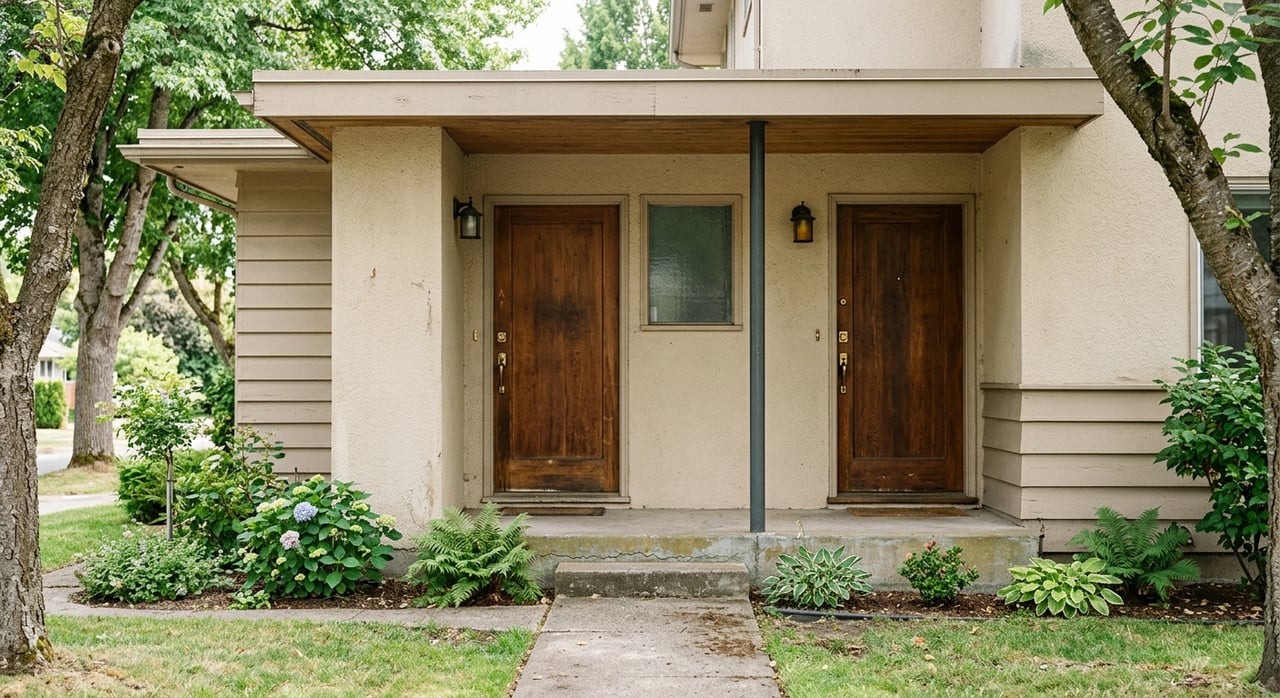
Attached housing can offer a more accessible entry point for some investors. Maple Grove’s residential rental materials specifically cover twinhomes, townhomes, and condos, so these are clearly part of the city’s small-investor rental landscape.
These property types may work well if you want lower exterior maintenance responsibility or a lower purchase price than a detached home. You still need to examine all monthly costs closely, but attached housing can sometimes offer a simpler way to enter the market.
If your budget and goals support it, multifamily can create different economies of scale. Maple Grove’s rental framework makes room for apartment and multifamily ownership, though apartment rental applications are handled through a separate city contact.
For some investors, multifamily can spread vacancy risk across more than one unit. For others, it may bring a larger upfront cost and more management complexity. The right choice depends on your budget, time, and comfort with active oversight.
This is an important distinction in Maple Grove. The city defines a short-term rental as a residential dwelling rented for less than 30 days at a time, and it requires a short-term rental license before operation along with an annual inspection.
That means you should not treat a long-term rental purchase and a short-term rental purchase as the same decision. The licensing path, inspection requirements, and operating model are different. If you are buying with a rental strategy in mind, confirming the intended use early is critical.
Before you buy, make sure you understand the city’s rental licensing process. Maple Grove requires first-time rental applications to be submitted in person at the Government Center during normal business hours, and the owner name on the application must match state property records.
The city also states that a rental license will not be issued until the inspection is passed and fees are paid. Renting without proper licensing can lead to civil penalties and criminal enforcement. That makes licensing a due diligence item, not an afterthought.
Maple Grove’s current residential rental application packet for the Jan. 1, 2026 through Dec. 31, 2028 term lists a new-license fee of $570 for applications submitted from January through June or $475 for applications submitted from July through December. In some cases, there is also a one-time $1,000 conversion inspection fee.
If you are converting a former owner-occupied property into a rental, these costs should be part of your acquisition budget. They can affect your first-year return more than many buyers expect.
Maple Grove’s rental program goes beyond forms and fees. The city recommends background checks on prospective tenants, a signed lease addendum covering criminal activity and disorderly conduct, and an educational seminar for owners or operators with two or more rental properties.
The city also offers voluntary police-contact notifications for landlords at no cost. Taken together, these details show that Maple Grove expects rentals to be operated in a structured, professional way.
A median rent figure can be useful, but it should never be your full investment analysis. In Maple Grove, conservative underwriting matters because both home values and ownership costs are meaningful.
Your numbers should include more than principal and interest. At a minimum, review these categories before you buy:
A property only works as a hold if the full cost picture makes sense. It is easy to focus on projected rent and overlook the items that squeeze cash flow after closing.
Tax details can change your investment math quickly. Before closing, Hennepin County’s property assessment and property information tools can help you confirm assessed value and classification instead of relying only on seller estimates.
This step is especially important if the property is shifting from owner-occupied use to rental use. A change in classification or tax treatment can affect your monthly carrying cost and your long-term hold decision.
If you collect residential rent in Minnesota, Minnesota Revenue says landlords must provide a Certificate of Rent Paid to the renter by January 31 of the following year. The agency also states that missing or inaccurate CRPs can lead to a penalty.
This is one of those details that can be easy to miss if you are buying your first rental. It is another reason to set up your recordkeeping correctly from the start.
Even if you plan to self-manage, professional guidance can help you avoid expensive mistakes. A lender can confirm reserve requirements and investment-property loan expectations before you make an offer. A tax professional can help you understand depreciation, expense tracking, and Minnesota reporting.
A property manager can also be valuable, especially if you want help with screening, inspections, paperwork, and tenant communication. Maple Grove’s own rental guidance supports a more structured approach to ownership, so having the right support team early can make the process smoother.
For many buyers, the best Maple Grove rental strategy is simple. Match the property type to the likely tenant base, verify the city’s licensing path before you sign a purchase agreement, and run the numbers using full carrying costs rather than rent alone.
In a market like Maple Grove, demand is not the only story. Execution matters. If you buy the right property, account for local rules, and plan for real operating costs, you give yourself a much stronger chance at a stable long-term hold.
If you are exploring rental property opportunities in Maple Grove and want practical guidance on homes, townhomes, condos, or multifamily options, Blake Halverson Real Estate can help you evaluate the numbers, the property fit, and the next steps with a local, investor-friendly approach.

Whether you are buying, selling or investing in real estate, Blake has a proven track record to be the versatile agent you need. Through strong, aggressive representation, Blake will help you achieve your desired outcomes.
7700 FRANCE AVE S STE 230 EDINA MN 55435