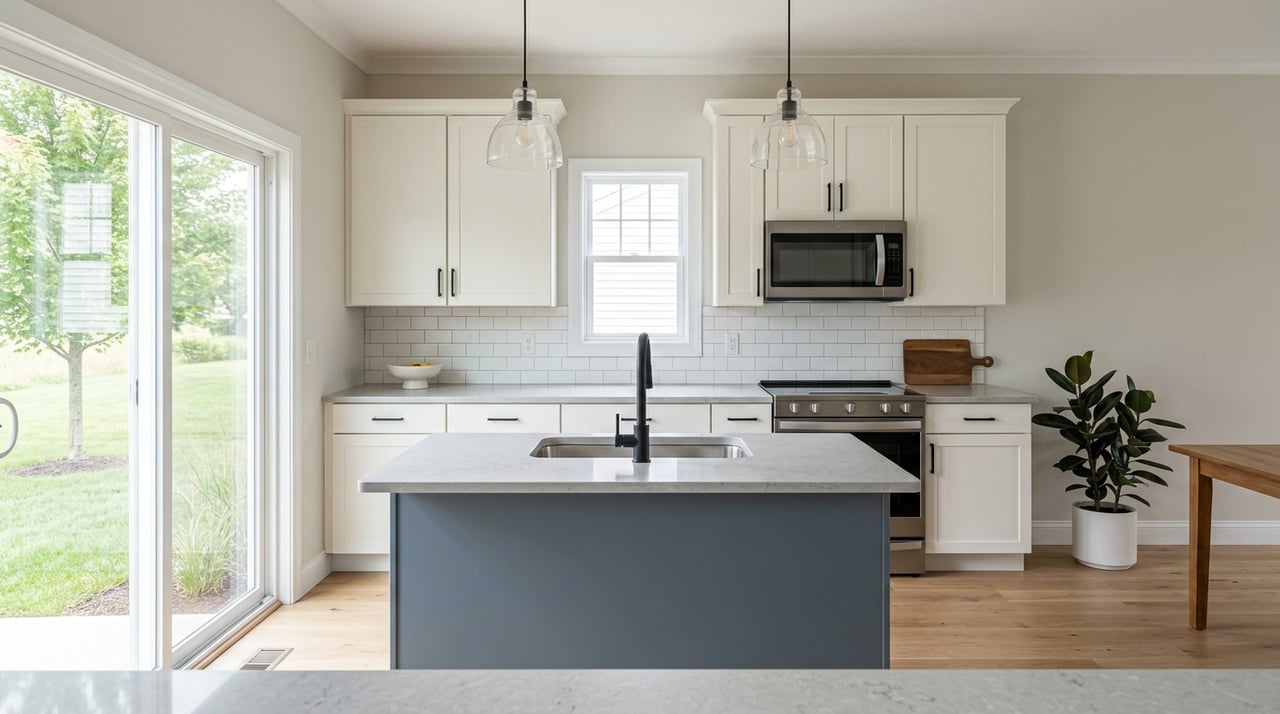
Choosing Apple Valley For Your First Home
Buying your first home can feel like a big leap, especially when you are trying to balance price, location, and your day-to-day lifestyle. If Apple Valley is on your radar, you are probably wondering whether it offers a realistic path into homeownership without giving up convenience or long-term value. The good news is that Apple Valley offers a mix of home types, solid access to the rest of the Twin Cities, and amenities that can make daily life easier. Let’s dive in.
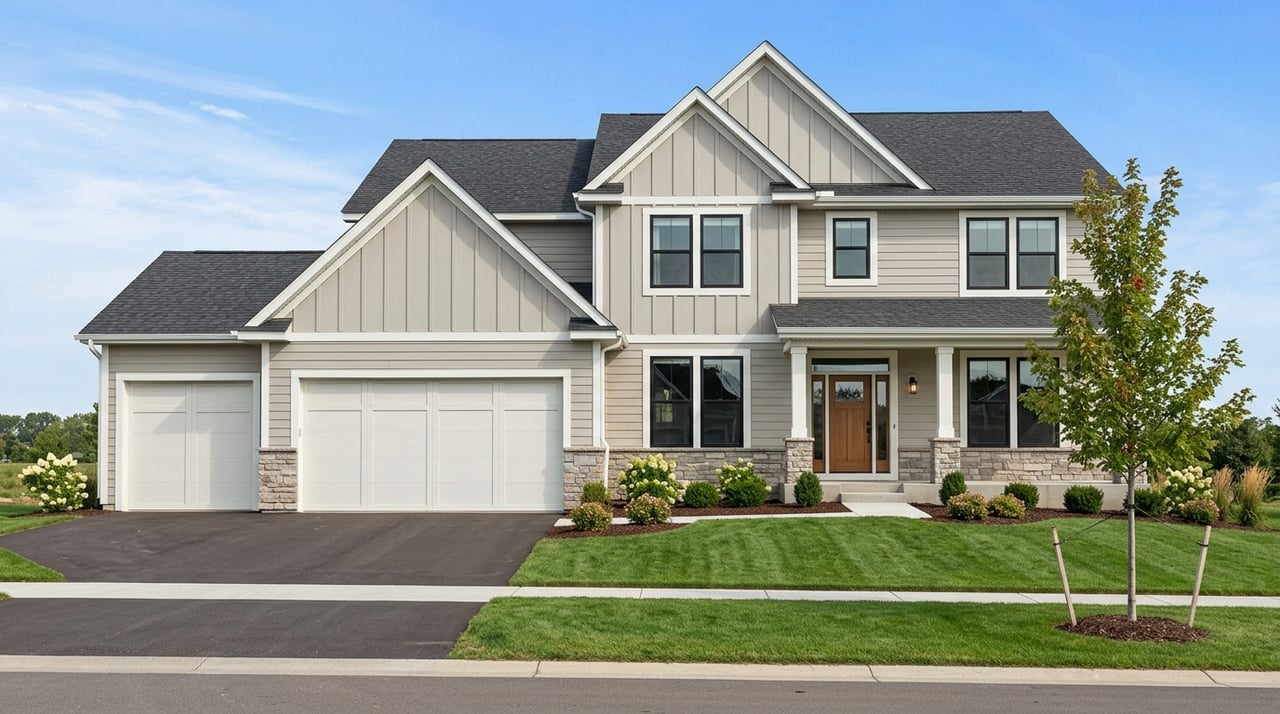
Apple Valley stands out because it is not a one-size-fits-all housing market. In the city’s 2040 housing plan, first-time buyers are specifically tied to modestly priced single-family homes, townhomes, and twin homes, while larger single-family homes tend to serve move-up buyers.
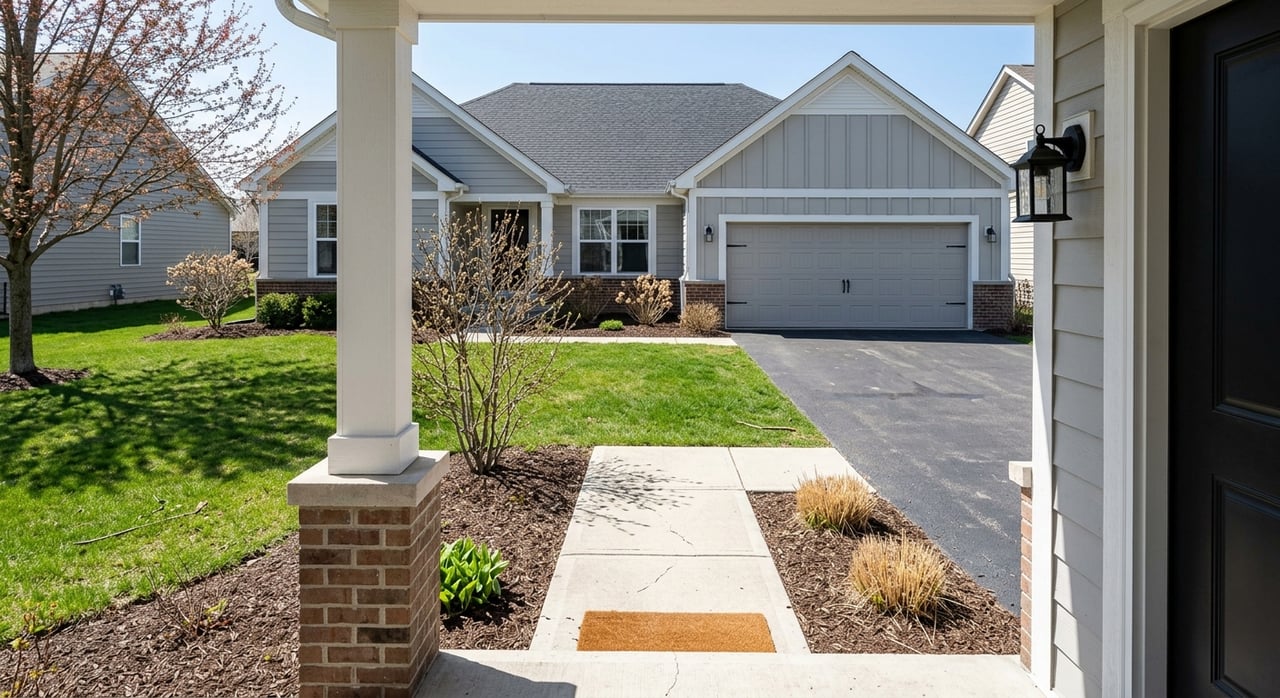
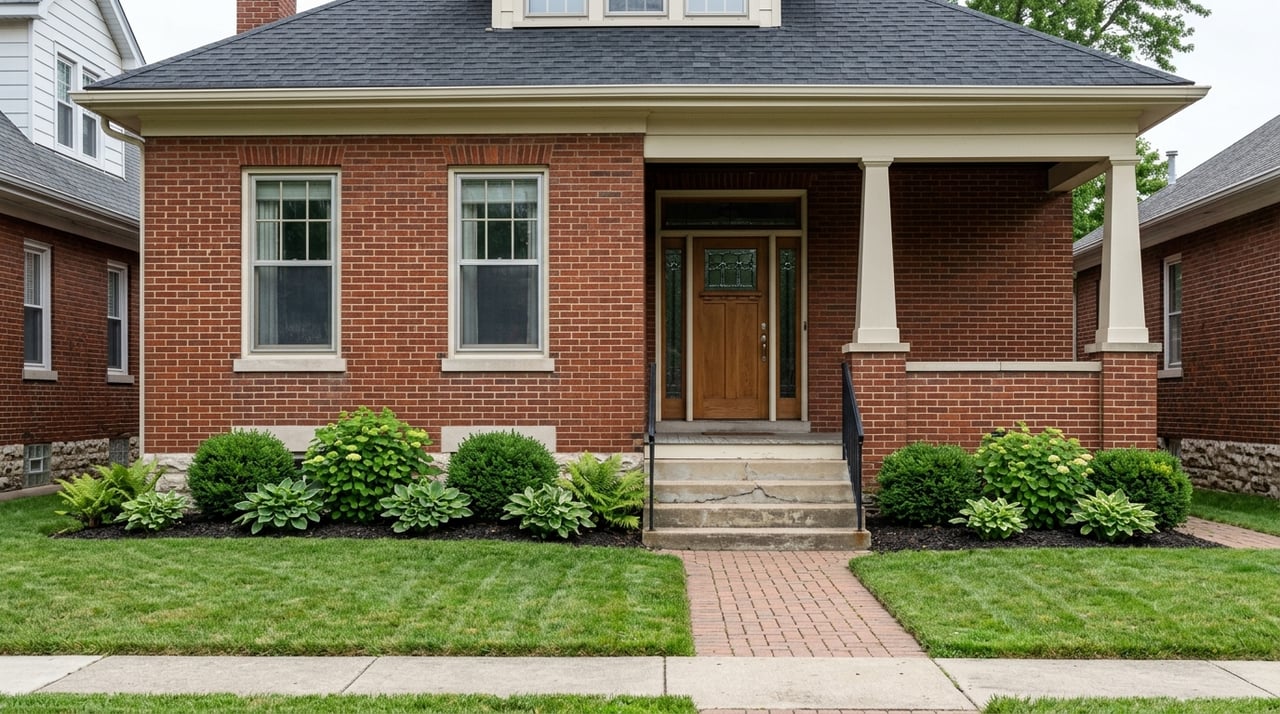
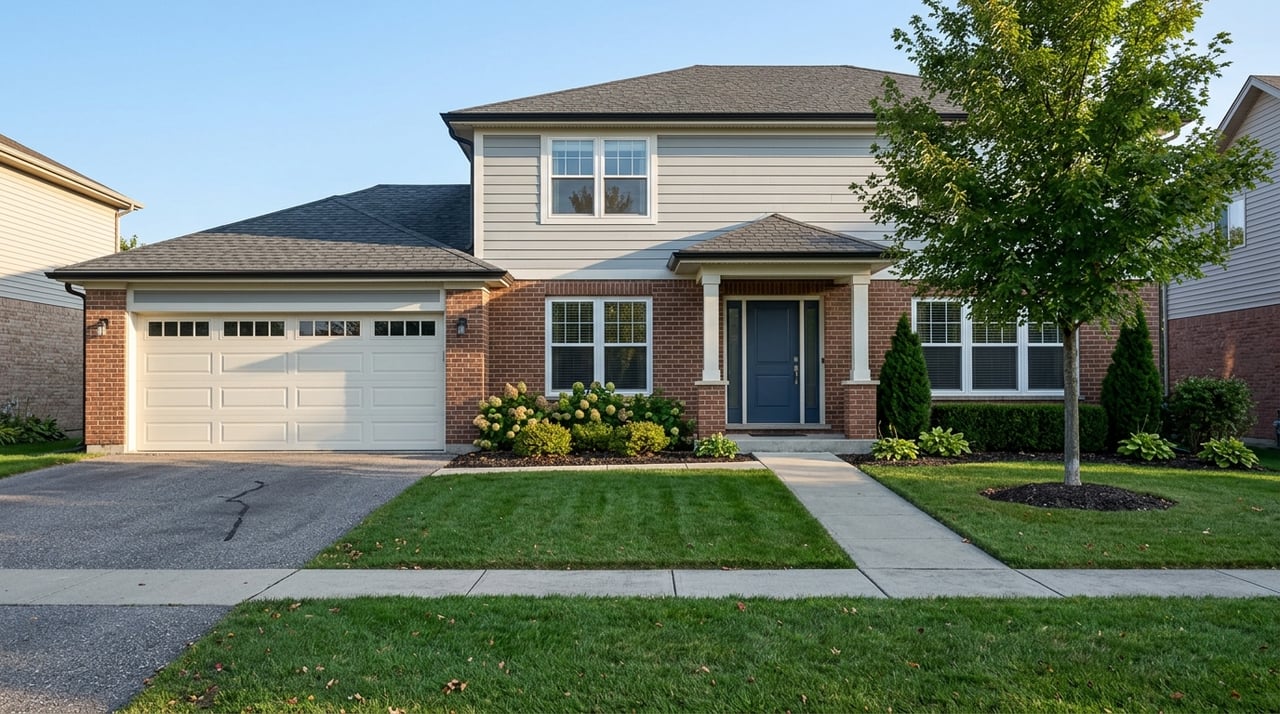
That matters if you want options. Instead of looking in a market built around only one home style, you can explore different starting points based on your budget and comfort level. You may begin with a townhome, condo, or older detached home and still have room to stay in the area as your needs change.
The city also notes that single-family detached homes are the most common housing type overall. At the same time, mid-density and higher-density housing is more concentrated near the downtown or central village area and around the Apple Valley Transit Station.
Apple Valley is not the cheapest market in the south metro, but it still offers recognizable entry points for first-time buyers. Current market snapshots show a median listing price of $346,950 and a median sale price of about $374,500 as of March 2026.
That citywide number only tells part of the story. Active listings include single-family homes, condos, townhomes, manufactured or mobile homes, and land, which shows that you are not limited to one property type when you start your search.
Some neighborhood-level listing snapshots also show a broad range of price points. Recent examples include Downtown Apple Valley around $237,400, Galaxie Commons around $279,900, South Loop around $317,450, Old Town around $379,950, and Cobblestone Lake around $485,500.
For a first-time buyer, that spread is helpful. It suggests you may be able to find a home at the lower end of Apple Valley’s range if you stay flexible on size, age, or housing type.
If you have heard that starter homes used to be much cheaper, you are not wrong. Apple Valley’s housing plan points to a 2017 benchmark of $238,500 as an affordable owner-occupied purchase price, with older single-family homes and medium-density townhomes often filling that role.
Today’s citywide medians are higher, which means the old idea of a starter home may not match current reality. In practical terms, your first home in Apple Valley may be a townhome, condo, twin home, or an older detached property rather than a newer single-family house with every upgrade.
That is not a downside. For many buyers, it is a smart way to enter a market that still offers location, convenience, and room to grow over time.
Your first home is not just about the house itself. It is also about how easily you can get to work, the airport, shopping, and the rest of the metro.
Apple Valley’s location is one of its biggest strengths. The city says it is about 20 minutes south of downtown Minneapolis and St. Paul, and about 15 minutes south of Minneapolis-Saint Paul International Airport and Mall of America. Cedar Avenue runs through the city and connects to I-35E and I-494, which supports access across the south metro and beyond.
The city also reports that Apple Valley is about 17 miles south of downtown Minneapolis. For buyers who want suburban living without feeling disconnected, that kind of positioning can be a real advantage.
If you do not want to rely only on driving, Apple Valley has useful transit access too. The Apple Valley Transit Station at 15450 Cedar Avenue South connects riders to routes that serve downtown Minneapolis and downtown St. Paul.
Metro Transit lists Route 475 and Route 477 to downtown Minneapolis and Route 480 to downtown St. Paul. The city also highlights bus rapid transit connections to the light rail system.
That gives you more flexibility in how you plan your daily routine. Even if you mostly drive, having transit nearby can still be a meaningful plus when you choose where to buy.
A first home should support your life beyond the closing table. Apple Valley offers a wide amenity base that can make the area feel practical and enjoyable from day one.
The city’s new resident information highlights more than 50 neighborhood parks, Valleywood Golf Course, the Minnesota Zoo, a water park, pool, splash pad, athletic complexes, and a central business district with shopping, dining, entertainment, and professional services.
For many first-time buyers, that mix matters just as much as square footage. You are not only buying a home. You are choosing where errands, recreation, and weekend plans will happen.
If you are comparing several suburbs, Apple Valley can land in a useful middle ground. Based on current Realtor.com city snapshots cited in the research, Apple Valley sits below Eagan, Rosemount, and Lakeville in listing-price terms, slightly above Burnsville, and close to Bloomington.
That does not make it a discount market. It does mean Apple Valley may offer a practical balance if you want south-metro access without jumping into some of the higher price points nearby.
For a first-time buyer, this kind of middle-ground market can be appealing. You may still face competition, but you also may find more flexibility than in higher-priced neighboring areas.
One of the biggest first-time buyer mistakes is focusing only on the monthly mortgage payment. A smart budget also needs to account for your down payment, closing costs, insurance, and ongoing monthly expenses.
According to the Consumer Financial Protection Bureau, affordability depends on your income, credit rating, current monthly expenses, down payment, and interest rate. The same source says closing costs typically run about 2% to 5% of the purchase price before your down payment.
That means your cash needed upfront may be higher than you first expect. Before you shop seriously, it helps to build a budget that covers the full picture, not just the loan payment.
A preapproval letter can make your search more focused and your offer more credible. The Consumer Financial Protection Bureau notes that preapproval letters usually expire in 30 to 60 days and help show sellers that you are a serious buyer.
Just as important, you should set your own ceiling. A lender may approve you for more than you actually want to spend each month, especially if you are also saving for repairs, furniture, or future goals.
In a market like Apple Valley, where prices are still attainable for many buyers but no longer truly low-cost, that discipline matters. The right budget is the one that lets you buy with confidence and still live comfortably.
If upfront costs are a concern, state-backed programs may be worth exploring. Minnesota Housing offers loan programs for first-time and repeat buyers, and its Start Up program is designed for borrowers who have not owned a principal residence in the last three years.
The agency also notes that eligible buyers may access down payment and closing-cost loans of up to $18,000. Program parameters can include common home types such as single-family homes, townhouses, duplexes, condos, planned unit development homes, modular homes, and manufactured homes taxed as real property.
That flexibility lines up well with Apple Valley’s varied housing stock. If you are open to more than one type of property, you may have more ways to make the numbers work.
Once you find the right home, speed and preparation matter. Fannie Mae notes that multiple-offer situations are common and that buyers may use tools like an escalation clause or flexibility on the closing date in competitive situations.
Earnest money is also part of the normal offer process. At the same time, moving quickly should not mean skipping the basics.
HUD recommends getting a home inspection and shopping for homeowners insurance before closing. For a first-time buyer in Apple Valley, the goal is to be competitive without stretching past your comfort zone or overlooking important due diligence.
If you are thinking about buying your first home in Apple Valley, a flexible strategy usually works best. Rather than chasing one ideal property type, it helps to compare detached homes, townhomes, condos, and twin homes based on monthly cost, maintenance, commute, and resale potential.
A simple approach can look like this:
For many buyers, Apple Valley is less about finding the absolute cheapest first home and more about finding a workable, well-located first step into ownership. That can be a very strong reason to buy here.
If you want clear guidance as you compare Apple Valley homes, neighborhoods, and price points, Blake Halverson Real Estate can help you build a smart plan and move with confidence.
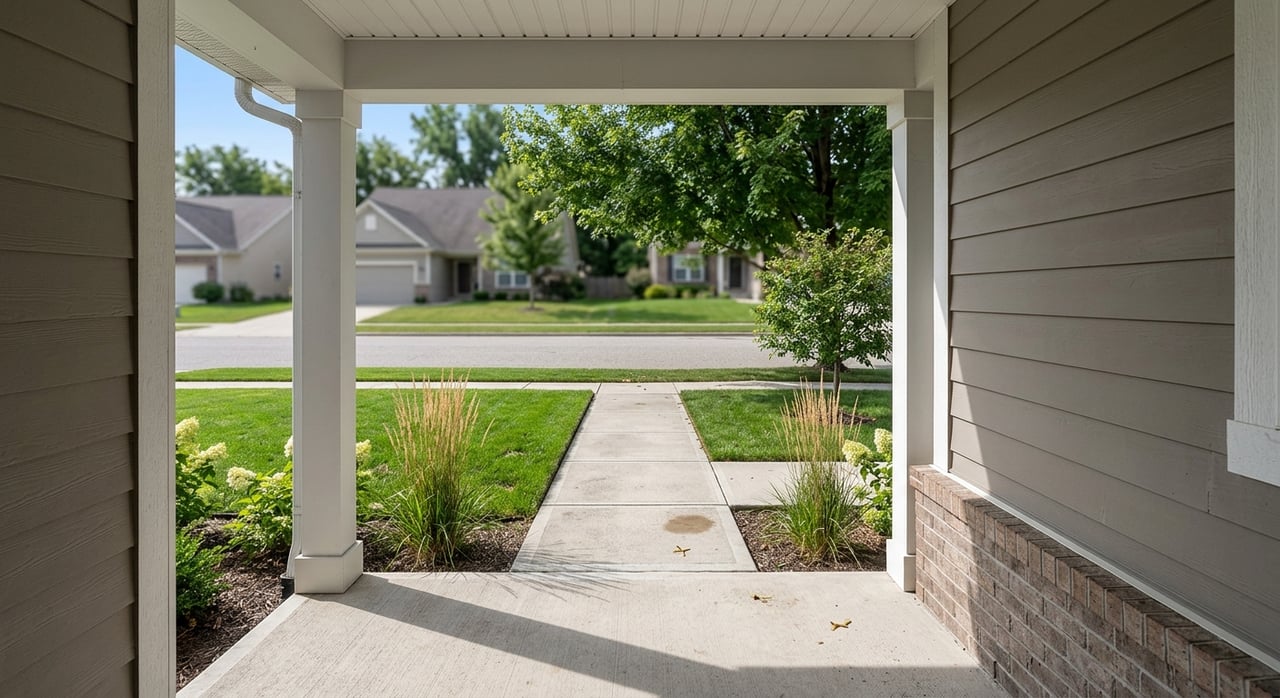
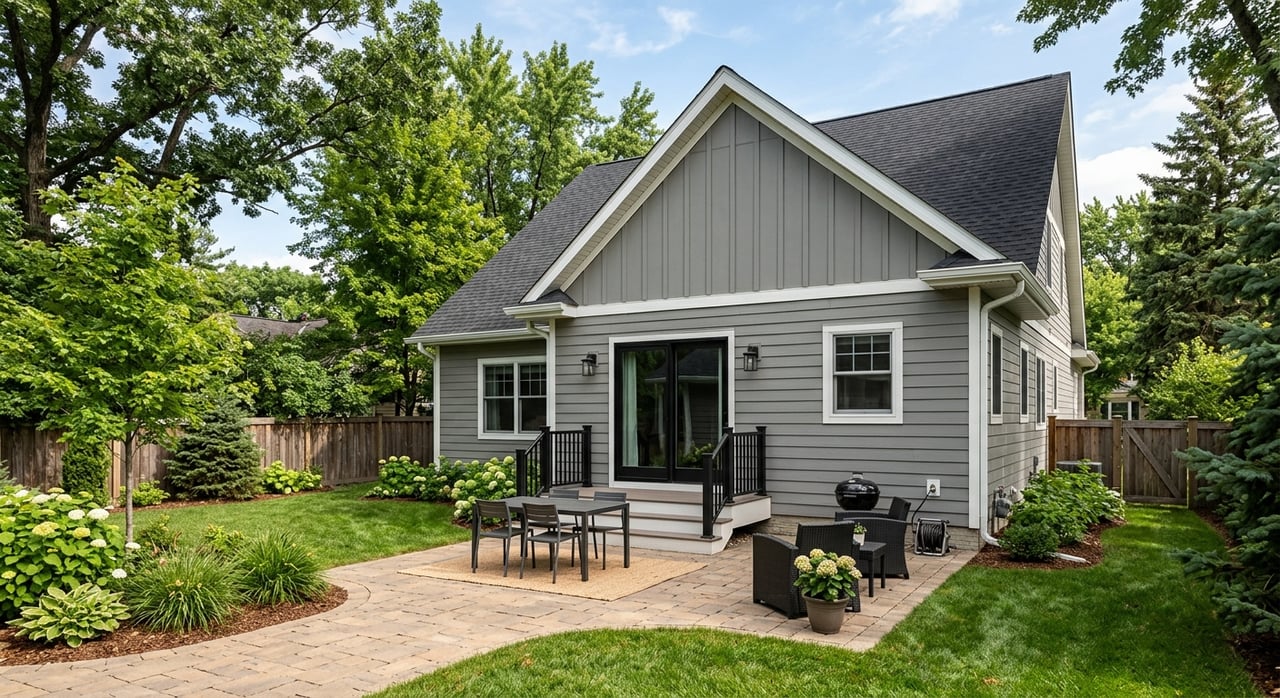
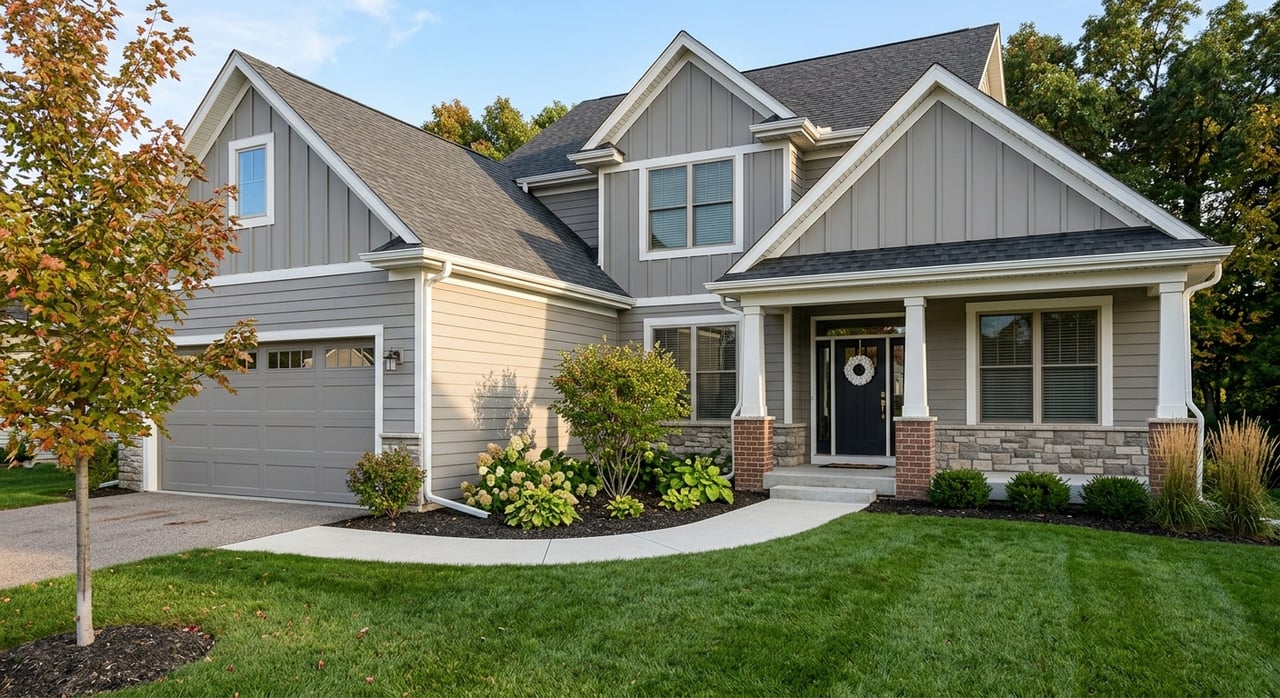
Whether you are buying, selling or investing in real estate, Blake has a proven track record to be the versatile agent you need. Through strong, aggressive representation, Blake will help you achieve your desired outcomes.
7700 FRANCE AVE S STE 230 EDINA MN 55435