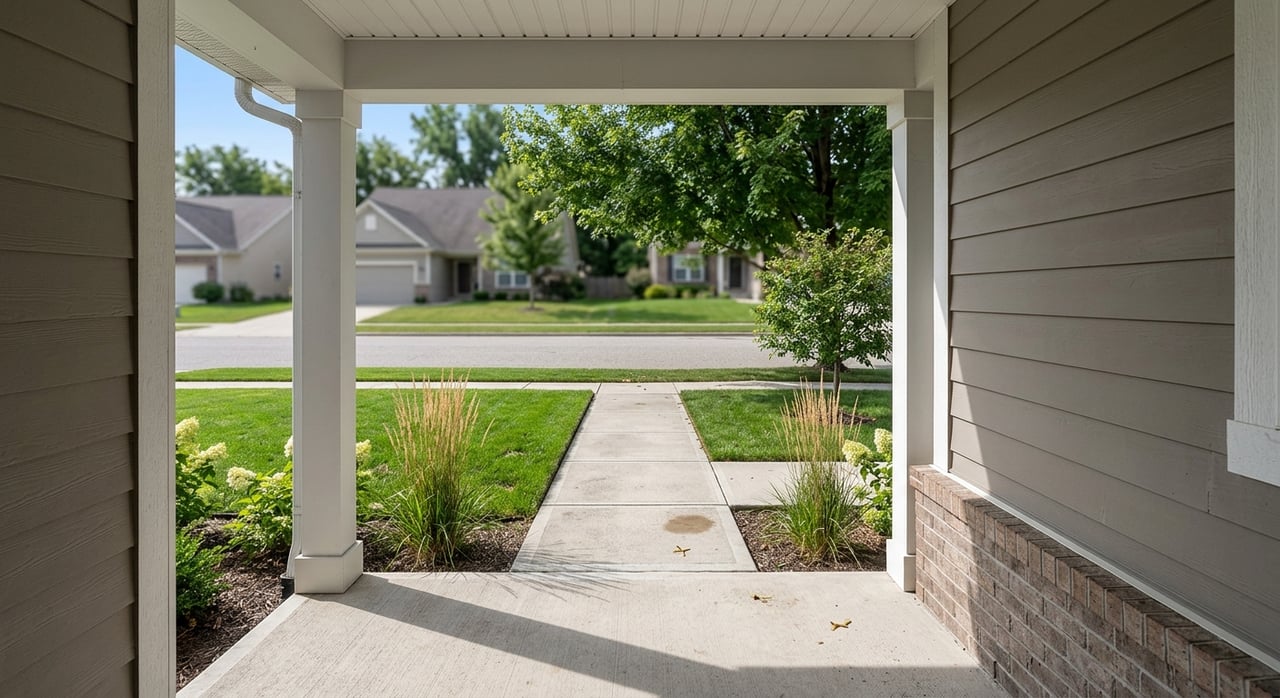
Life Near The Minnesota Zoo In Apple Valley
Want suburban convenience without giving up easy access to outdoor recreation? Living near the Minnesota Zoo in Apple Valley gives you a little of both. If you are thinking about buying or selling in this part of the South Metro, it helps to understand what daily life really looks like here, from commuting and errands to trails, parks, and housing options. Let’s dive in.
The Minnesota Zoo is one of Apple Valley’s best-known landmarks, but life nearby is about more than a major attraction. The zoo sits on a 485-acre site at 13000 Zoo Boulevard, and its Treetop Trail adds a 1.25-mile elevated loop with four ADA-compliant access points and year-round use.
That gives this part of Apple Valley a recreation-focused identity, but not in a tourist-district way. The area fits better into a broader suburban pattern where parks, retail, commuting routes, and residential neighborhoods all work together.
If you live near the zoo, your day-to-day experience is likely to feel practical and convenient. Apple Valley is a city of about 55,248 residents, with a layout shaped by major roads, neighborhood parks, and service corridors rather than a dense urban street grid.
In simple terms, you can expect a lifestyle centered on driving for many errands, with useful transit connections and growing attention to trail and sidewalk access. That mix appeals to many buyers who want breathing room, everyday convenience, and strong recreational options close to home.
Transportation is a big part of what makes this area work. The Minnesota Zoo is directly connected to local transit, with MVTA route 440 and Connect curb-to-curb service serving Apple Valley, Burnsville, Rosemount, and Savage.
The Apple Valley Transit Station at 15450 Cedar Avenue South adds another layer of access. It is a METRO Red Line station with connecting routes including 420, 440, 442, 475, 477, and 480.
For many residents, that means you are not limited to one way of getting around. Route 440 serves the Minnesota Zoo, route 475 serves downtown Minneapolis and the University of Minnesota, and route 480 serves downtown St. Paul.
If you commute by car, Apple Valley’s location is a major advantage. The city describes itself as being at the crossroads of County Road 42 and Cedar Avenue, with Cedar connecting to I-35E and I-494.
The city also places Apple Valley about 20 minutes south of downtown Minneapolis and St. Paul, plus about 15 minutes south of MSP Airport and Mall of America. The zoo itself notes that it is roughly 10 minutes south of Mall of America, which helps show how connected this area is to major Twin Cities destinations.
One helpful detail for buyers is that many of the busiest roads near the zoo are part of a larger county and state network. Apple Valley notes that County Road 42, Cedar Avenue, Pilot Knob Road, McAndrews Road, and 160th Street involve Dakota County, while Cedar Avenue north of 138th Street is maintained by MnDOT.
Why does that matter? It helps explain why traffic flow, road improvements, and access patterns near the zoo are shaped by more than just city streets. If you are comparing homes in this area, road access can have a real impact on convenience and daily routine.
Living near the Minnesota Zoo also means being close to a wider recreation network. Apple Valley Parks & Recreation covers parks and trails, aquatics, skating and ice arenas, plus facilities and rentals, giving the city a strong everyday recreation base.
This is one of the biggest lifestyle benefits of the area. Recreation here is not limited to one destination. Instead, it is built into the rhythm of local life through neighborhood parks, trails, and seasonal amenities.
Johnny Cake Ridge Park West is one strong example. It includes 16 dedicated pickleball courts, an ice rink, skatepark, playground, picnic shelter, and warming house.
The city also maintains outdoor skating at several parks, including Johnny Cake Ridge Park, Galaxie Park, Apple Valley East Park, Huntington Park, Hagemeister Park, Valley Middle Park, and Delaney Park. For buyers who want easy access to outdoor activities throughout the year, that can be a meaningful plus.
Apple Valley updated its Bicycle and Pedestrian Plan in 2025 to improve trails, sidewalks, and connectivity. One key focus is the Ring Route around the County Road 42 and Cedar Avenue area, using 147th Street, Galaxie Avenue, 153rd Street, and Pennock Lane.
That matters because it supports better short local trips and more connected movement around a busy part of the city. It does not turn the area into a walk-everywhere environment, but it does point to a practical effort to improve access for biking, walking, and neighborhood connections.
For many people, convenience comes down to errands. Apple Valley’s position along Cedar Avenue and County Road 42 makes it easy to understand why this area functions as a major service and retail hub.
Census QuickFacts shows total retail sales of $1.39 billion in 2022, with retail sales per capita of $25,113. Those figures help explain why the area offers strong day-to-day access to shopping, dining, and services.
If you live near the zoo, you are not just near recreation. You are also near the kinds of practical destinations that shape weekly life, like groceries, personal services, and major shopping corridors.
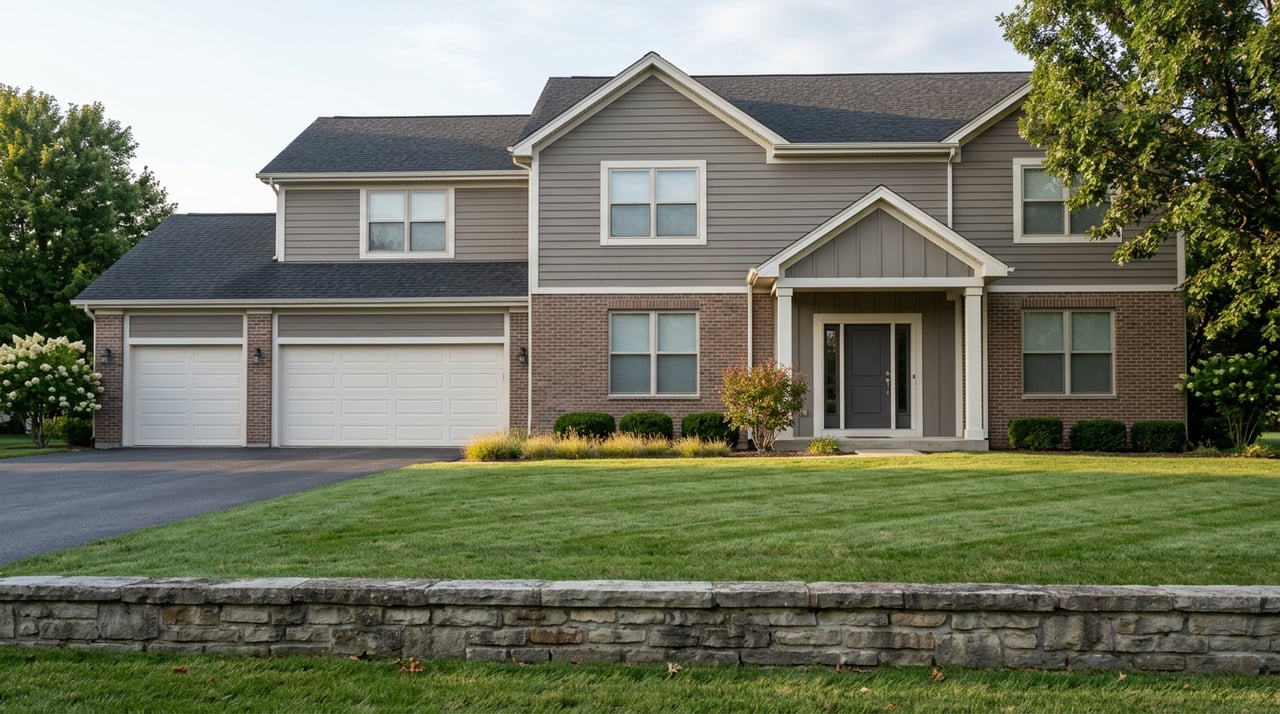
From a housing perspective, the area reflects Apple Valley’s broader suburban market. The city’s housing goals emphasize maintaining a balanced stock of high-quality housing, and the current inventory includes a mix of single-family homes, multifamily properties, and townhome-style options.
Apple Valley’s 2040 Comprehensive Plan housing chapter notes that, in its 2016 existing housing assessment, the city had 20,703 housing units. That included 16,106 ownership units and 4,597 rental units, with 16,017 single-family units, 4,214 multifamily units, and 472 manufactured homes.
For buyers, that means you can expect a range of choices rather than a one-size-fits-all housing stock. The plan also notes that affordable owner-occupied housing often tends to be either older single-family homes or newer medium-density townhomes.
Current census figures offer useful context for the local market. Apple Valley has a 73.4% owner-occupied housing rate, a median owner value of $370,400, median monthly owner costs with a mortgage of $2,084, and median gross rent of $1,738.
The city also has a median household income of $97,673, and 24.9% of residents are under age 18. Taken together, those numbers point to a suburban market with a strong ownership base and a sizable share of households looking for space, convenience, and long-term livability.
If you are a buyer, the zoo area may appeal to you if you want a suburban setting with strong recreation nearby and solid regional access. You may also appreciate the balance of parks, shopping corridors, and commuting routes.
If you are a seller, these same points can shape how your home is presented. Buyers often look closely at access to parks, transportation options, daily conveniences, and housing style when comparing different parts of the South Metro.
The most accurate way to describe life near the Minnesota Zoo is not as an attraction district and not as a dense urban neighborhood. It is better understood as suburban convenience with a strong recreation layer.
That distinction matters when you are deciding whether the area fits your lifestyle. If you want easy access to major roads, established neighborhood amenities, and year-round outdoor options, this part of Apple Valley offers a lot to consider.
Whether you are buying your first home, planning a move-up purchase, or preparing to sell, understanding the everyday feel of a location can make your decision much clearer. If you want help evaluating homes, pricing, or neighborhood fit in Apple Valley or across the Twin Cities, Blake Halverson Real Estate can help you move forward with confidence.
Whether you are buying, selling or investing in real estate, Blake has a proven track record to be the versatile agent you need. Through strong, aggressive representation, Blake will help you achieve your desired outcomes.
7700 FRANCE AVE S STE 230 EDINA MN 55435