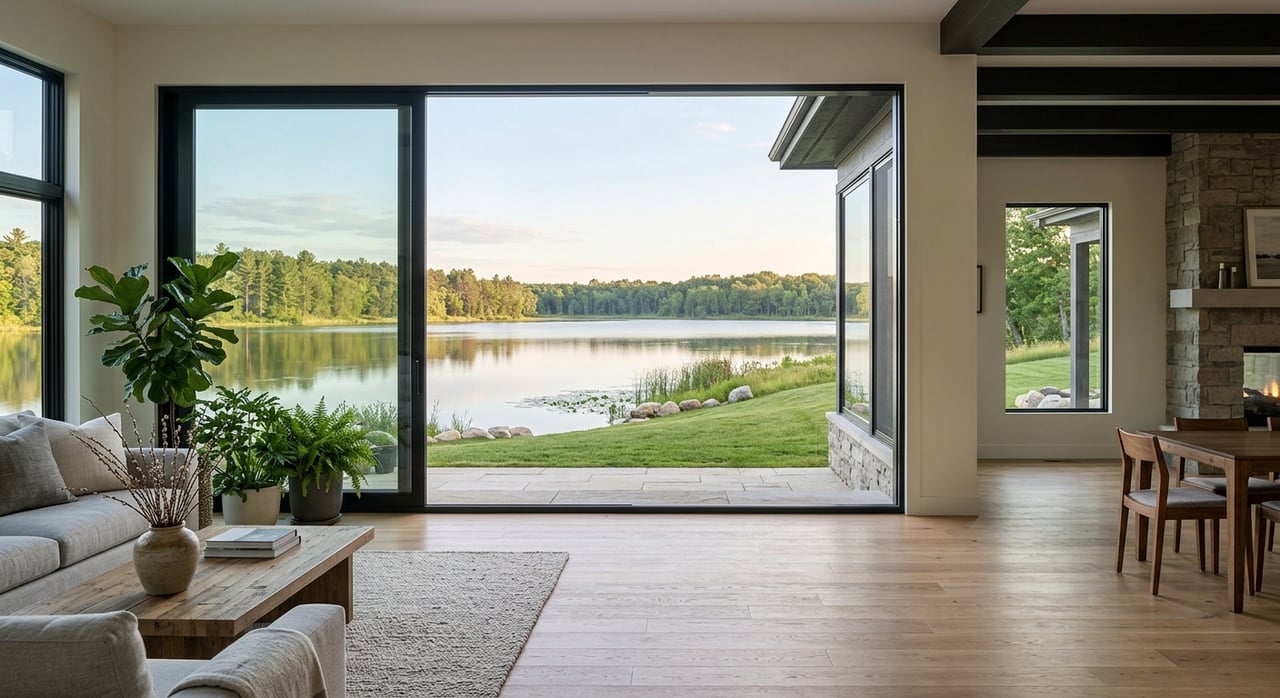
Preparing Your Orono Lake Home For A Successful Sale
Selling a lake home in Orono is not the same as selling a home anywhere else. Buyers are not just looking at square footage and finishes. They are also sizing up the shoreline, dock setup, water access, and how the property lives from the house to the lake. If you want a stronger sale, you need to prepare the full waterfront experience, not just the interior. Let’s dive in.
Orono is shaped by water. The city says it has more than 40 miles of Lake Minnetonka shoreline plus nearly 5 miles of additional lake shorelines, and Lake Minnetonka itself spans more than 14,000 acres with more than 100 miles of shoreline. In this market, the lake setting is a major part of the property’s value.
That means buyers often look at your home in two layers. First, they evaluate the house itself. Then they look closely at how the shoreline functions, how the dock works, and what kind of lake use the property supports.
If you are thinking about listing, start gathering your property records well before the home goes on the market. In a lake market, buyers tend to ask more detailed questions, and quick, clear answers can build confidence.
Helpful records may include:
This matters because local rules can affect what exists today and what a future owner may be allowed to change. The Minnesota DNR notes that shoreland regulations are administered through local zoning, and Orono’s Community Development Department reviews land-use and permit matters tied to setbacks, hardcover, floodplain management, grading, and related requirements.
In many home sales, landscaping is mostly about appearance. On a lake property, shoreline condition is also about function, maintenance, and compliance.
The Minnesota DNR says maintaining or restoring natural vegetation is one of the most important things a shoreline owner can do. Natural vegetation helps stabilize soil, reduce runoff, filter nutrients, support habitat, and protect water quality. LMCD also notes that shoreline buffers can help reduce erosion, absorb nutrients, filter pollutants, and add privacy from lake users.
For buyers, that can translate into real value. A shoreline that feels stable, intentional, and well cared for often presents better than one that has been over-cleared or left unmanaged.
It can be tempting to cut back a lot of vegetation to open up the view. But shoreline cleanup is not just a cosmetic project.
The DNR says intensive vegetation clearing is prohibited in shore impact zones, bluff impact zones, and steep slopes, though limited trimming may be allowed to preserve a view from the principal dwelling and to support access features like stairs, lifts, landings, and paths. Before making major changes, it is wise to confirm what is allowed locally.
Your goal is to help buyers understand how the lakefront works in real life. A natural shoreline does not need to look wild or neglected. It should feel maintained, easy to understand, and connected to the rest of the property.
Before showings and photos, focus on simple improvements like:
On Lake Minnetonka, buyers often want details that go beyond the house. LMCD says docks, structures, watercraft, and related items must be located within an authorized dock use area, and some installations, including permanent docks, require permits.
Water depth also matters. LMCD notes that depth can vary significantly by bay, season, and precipitation. If you know the practical depth at your dock and what that means for typical lake use, you may be able to answer buyer questions faster and with more clarity.
If your lake access is shared or tied to an easement, take time to review that paperwork before listing. LMCD says easement language should be reviewed carefully because shared riparian rights can affect setbacks and watercraft allowances.
This is especially important because buyers may compare your property against other Orono lake homes based on ease of access, shoreline privacy, and dock convenience. Even when the home itself shows beautifully, unclear water-access details can slow momentum.
Minnesota Realtors describes spring as the market’s active season. Its 2026 spring outlook says inventory has grown but remains in sellers’ market territory, and well-priced, well-staged homes in desirable areas can still perform well.
Its 2025 annual report also says new listings rose 4.6% to a three-year high, while statewide and metro inventory remained below 2019 levels. That mix suggests buyers still have interest, but they may be more selective than they were when presentation mattered less.
For waterfront property, the same report says water-access sales rose 8.5% and private waterfront sales rose 2.5% statewide. That points to continued demand for lake-oriented homes, especially when they are priced realistically and presented well.
A simple timeline can help keep your listing on track:
Strong presentation still matters, even in a sought-after lake market. According to the National Association of Realtors’ 2025 staging report, 29% of agents saw staged homes receive a 1% to 10% increase in offered value, 49% observed reduced time on market, and 83% said staging made it easier for buyers to picture the property as their future home.
The same report says photos were important to 73% of buyers’ agents and videos to 48%. It also identified the living room, primary bedroom, and kitchen as the most important spaces to stage.
For an Orono lake home, that advice applies both indoors and out. Buyers want to see how the house connects to the water.
As you prepare your home, think beyond furniture placement. Buyers should be able to understand the flow from the main living spaces to the deck, patio, lawn, shoreline, and dock.
That may mean:
Photos do a lot of the early selling work. In a waterfront market, your photo set should make the relationship between the home, shoreline, dock, and outdoor spaces easy to understand.
NAR recommends decluttering, cleaning thoroughly, and improving curb appeal before photography. For a lake home, that often means special attention to decks, patios, shoreline paths, and the visual connection to the water.
A strong photo plan usually includes:
Even in a market with ongoing demand, buyers notice the difference between a home that is move-in ready and one that feels like a project. Minnesota Realtors reported that turnkey, well-presented homes with realistic pricing could receive multiple offers and sell above asking.
That does not mean every seller should over-improve before listing. It means the home should look cared for, accurately represented, and ready for buyers to understand both the house and the lakefront value.
In Orono, that often comes down to a few essentials:
If you are preparing to sell your Orono lake home and want a clear plan for timing, presentation, and market positioning, Blake Halverson Real Estate can help you get your home ready for a successful sale.






Whether you are buying, selling or investing in real estate, Blake has a proven track record to be the versatile agent you need. Through strong, aggressive representation, Blake will help you achieve your desired outcomes.

7700 FRANCE AVE S STE 230 EDINA MN 55435