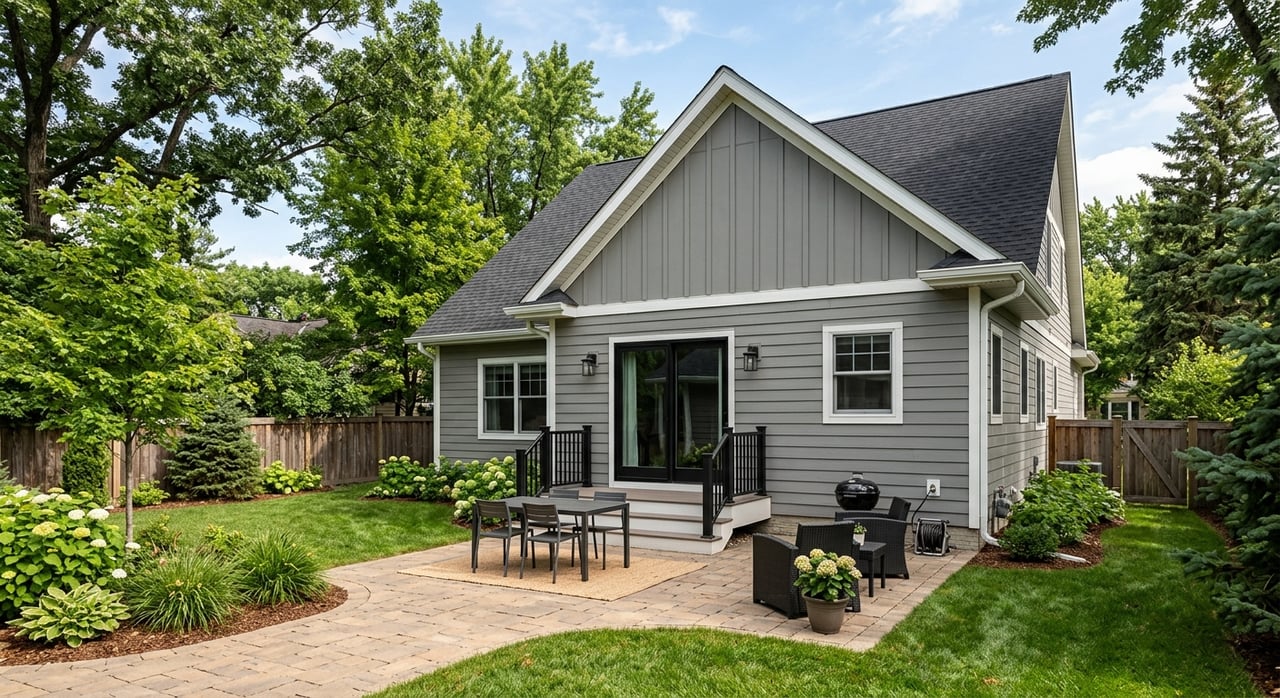
Minnetonka Outdoor Lifestyle Homes for Active Buyers
If you picture Minnetonka as just a lake town, you are only seeing part of the story. For many buyers, the bigger draw is how easy it is to work outdoor time into everyday life, whether that means a morning walk, a winter trail run, beach time, or quick access to water on the weekend. If you are thinking about buying here, it helps to understand how parks, trails, lakes, and housing patterns fit together. Let’s dive in.
Minnetonka is a fully developed suburban community about eight miles west of Minneapolis, and the city treats its natural setting as a core part of local life. City information notes more than 50 parks and open spaces, more than 100 miles of trails, about 268 acres of maintained parkland in 50 parks, and roughly 1,000 acres of natural public open space. The city also says more than 20 percent of its land area is made up of wetlands and lakes.
That matters when you are house hunting. In some suburbs, outdoor amenities are concentrated in one major park or one lakefront area. In Minnetonka, green space is spread throughout the city, so your lifestyle may depend less on one destination and more on how close your home is to a daily-use trail, preserve, or water access point.
Lake Minnetonka plays a big role in the city’s outdoor identity. The Minnesota DNR describes it as the largest lake in the Twin Cities metro at more than 14,000 acres, and it is known for year-round recreation.
For buyers, one useful takeaway is that you do not need to own waterfront property to enjoy the lake. The Lake Minnetonka Conservation District maps public access launches, marinas, and public swimming beaches around the lake, which supports boating and shoreline recreation for people living off the water as well as on it.
Minnetonka’s outdoor layout also makes more sense when you look at Minnehaha Creek. The Gray’s Bay Headwaters Control Structure manages flow from Lake Minnetonka into the creek, which then runs through Minnetonka.
That creek corridor helps explain why natural open space and parkland are distributed across the city rather than clustered in one area. If you value trails, wetland views, or creek-side green space, this network can be more relevant than simple distance to the main lake.
Shady Oak Beach is another feature buyers often ask about. It is not part of Lake Minnetonka. The city describes it as an 85-acre recreational area with spring-fed water, swimming, lifeguards, playgrounds, rentals, and other family-oriented amenities, and the city operates the beach even though Hopkins owns the facility.
For buyers comparing recreation options, that distinction matters. Lake Minnetonka tends to support broader boating and lake access activity, while Shady Oak Beach functions more like a local beach destination with a defined amenity setup.
Minnetonka’s trail system is a major part of daily life for residents who like to stay active close to home. The city says it has more than 100 running, biking, and walking trails and sidewalks, with about 81 miles maintained year-round by public works.
That kind of system can affect your home search in a practical way. If you walk, run, or bike several times a week, nearby trail access may matter just as much as square footage or lot size.
Two regional trails maintained by Three Rivers Park District run through the city. The Lake Minnetonka LRT Regional Trail extends more than 15 miles between Hopkins and Carver Park Reserve, and it is plowed in Minnetonka during winter months.
The Minnesota River Bluffs LRT Regional Trail follows an old railroad route from Hopkins to Chanhassen and Chaska. It includes views of Shady Oak Lake and is also plowed in Minnetonka during winter.
For buyers, that means outdoor access is not limited to warm-weather use. If you want a place where walking and biking routes still function in colder months, Minnetonka offers that in several areas.
Lone Lake Park and Preserve in southeast Minnetonka is one of the clearest examples of how outdoor amenities can shape a neighborhood search. The park covers 146 acres and includes lake views, formal trails, mountain biking, pickleball, tennis, fishing, and walking and biking trails.
Its connections are especially useful. The trail system links north to Shady Oak Beach and west to the Minnesota River Bluffs LRT Trail, which can make this area attractive for buyers who want several recreation options close together.
The separate Lone Lake mountain bike trail is five miles long and is also open to hikers, trail runners, snowshoers, and fat-tire bikers in winter. If you want a four-season outdoor routine, that flexibility is a meaningful plus.
Purgatory Community Preserve in southwest Minnetonka offers a different outdoor feel. At 155 acres, it is the largest of the city’s five community parks and includes views of Purgatory Creek, wetlands, woodlands, prairies, and more than two miles of trails.
The park notes that its trails are plowed in winter. For buyers who want nature access that feels quieter and more preserve-focused, this part of the city may stand out.
Big Willow Community Preserve and Athletic Complex sits between Minnetonka Boulevard and Cedar Lake Road. It includes views of Minnehaha Creek, extensive trails, and trail links to the regional trail system.
Its trail system is also plowed after snowfall in winter. If your goal is convenient access to green space without giving up broader connectivity, this area shows how Minnetonka blends neighborhood living with regional recreation routes.
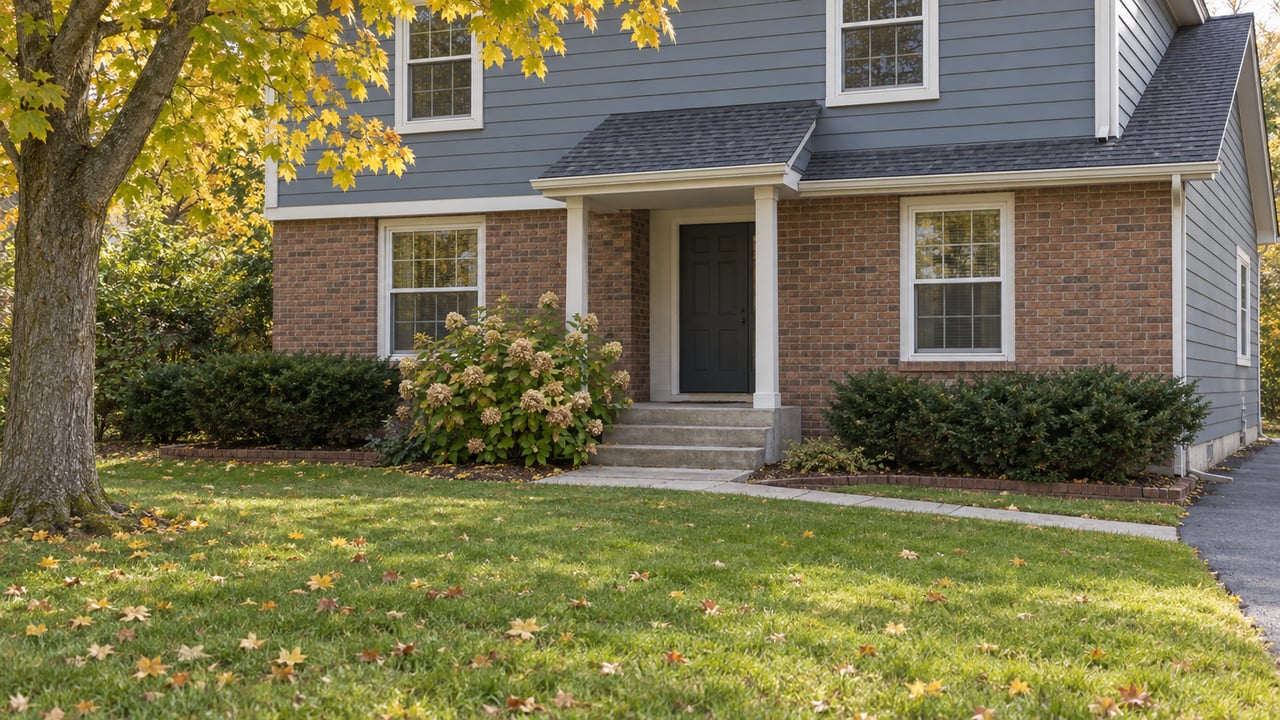
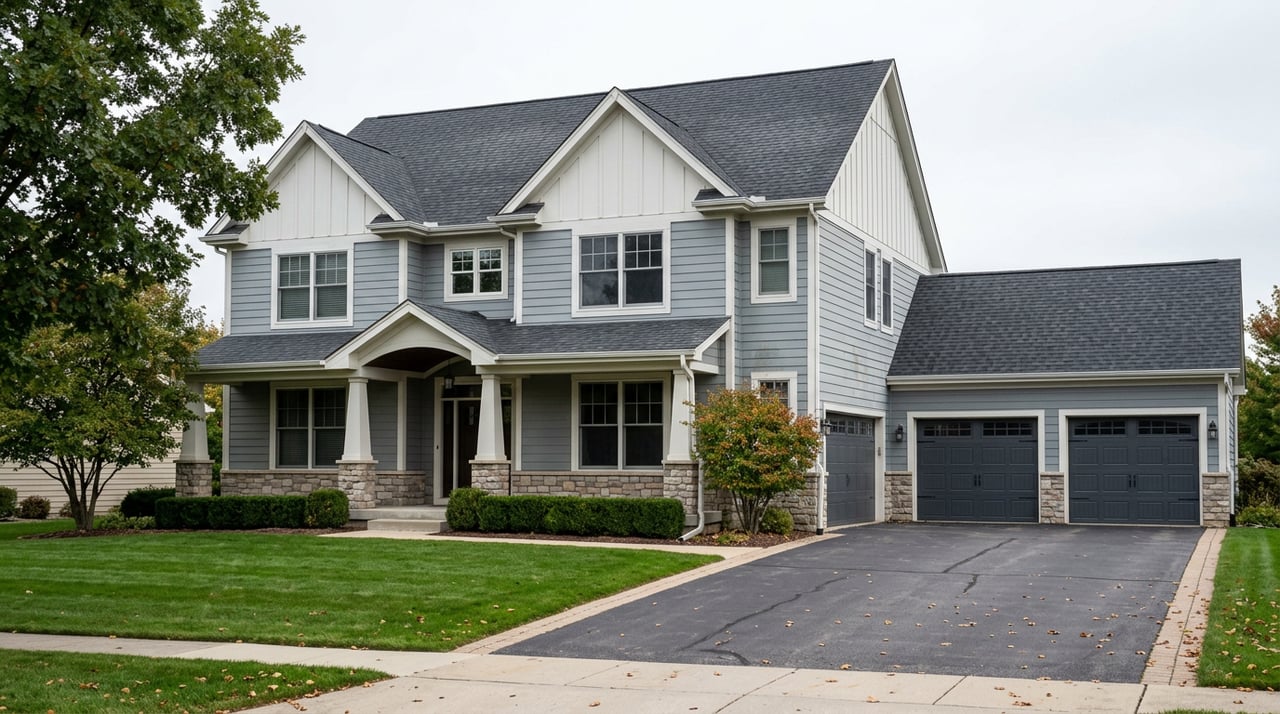
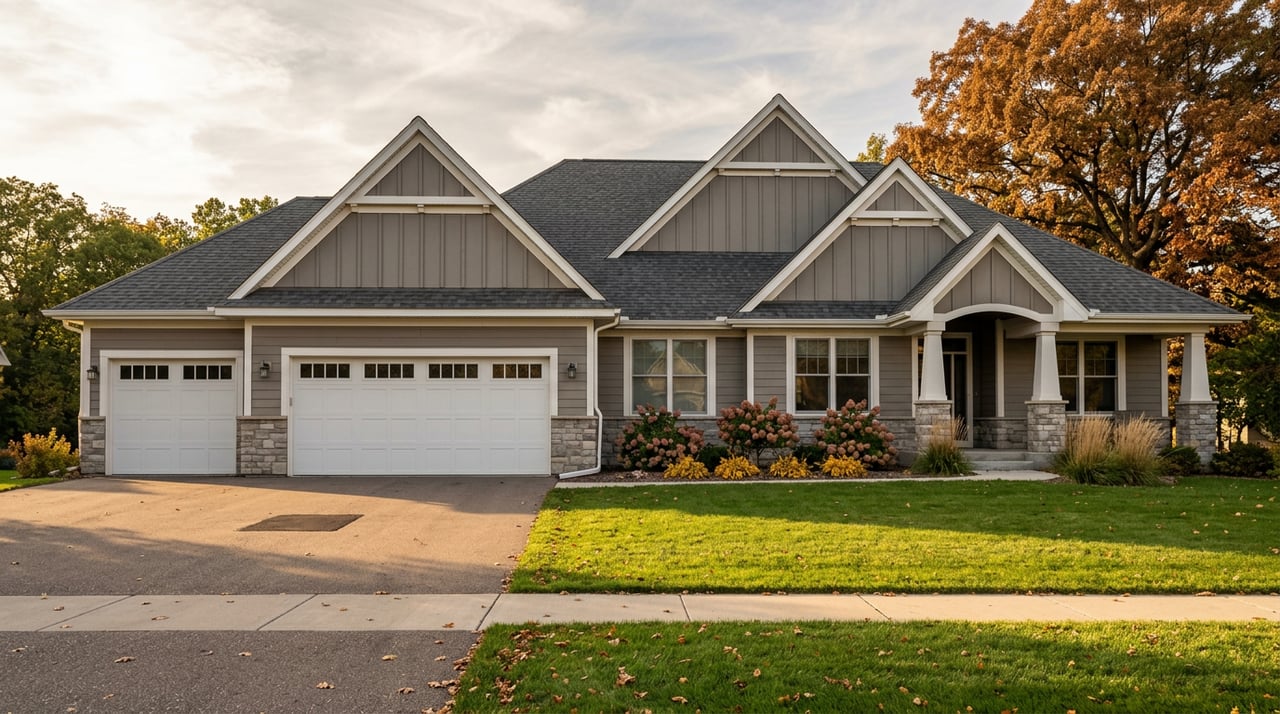
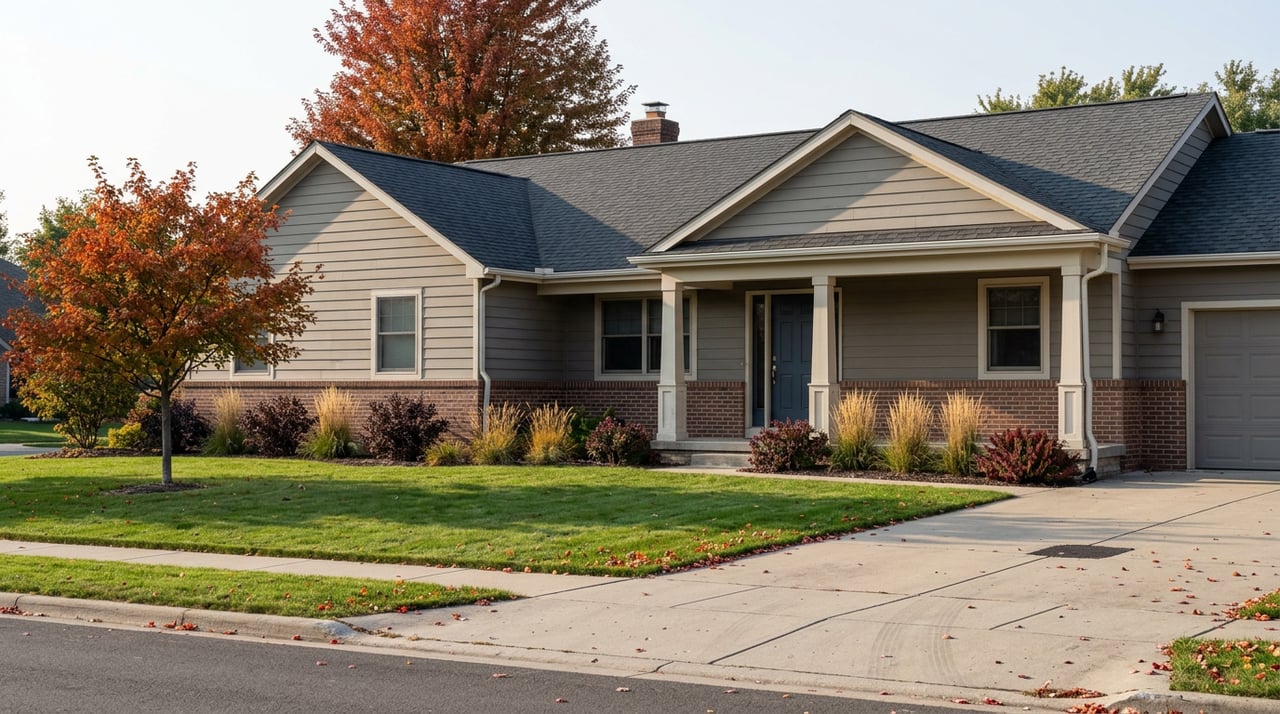
Minnetonka’s land-use plan says the city’s residential land supply is nearly fully developed. It also says most established neighborhoods maintain a low-density, single-family character.
That gives buyers an important baseline. If you are looking in Minnetonka, you are often choosing among established neighborhoods rather than large-scale new development areas.
The city’s plan says low-density districts can include detached single-family homes, duplexes, and attached townhomes if overall density stays within city standards. Medium-density districts typically include small-lot single-family homes, duplexes, townhouses, quads, and low-rise multifamily buildings.
Higher-density residential and mixed-use development is generally focused in village, regional, and business areas where infrastructure and services are available. In simple terms, your housing options may shift depending on whether you want a more traditional neighborhood setting or a lower-maintenance setup closer to connected activity corridors.
Based on the park and trail layout, some of the strongest outdoor-oriented search areas include southeast Minnetonka around Lone Lake and Shady Oak Road, southwest Minnetonka around Purgatory, and the Minnehaha Creek corridor around Big Willow. These areas offer especially quick access to trails, preserves, and creek-side open space.
That does not mean they are the only good options. It simply means your day-to-day lifestyle may feel different depending on whether you are prioritizing direct trail access, water recreation, preserve views, or easier maintenance in an attached home setting.
If you are trying to frame Minnetonka in budget terms, the city’s current assessment page lists a 2025 median home value of $521,300 for a single-household residential property. This is a city-assessed market value, not a recent sale price, but it offers a useful local benchmark.
That number is best used as a starting point, not a promise of what any specific home will cost. In a city with established neighborhoods, varied home styles, and different levels of trail or water access, pricing can vary meaningfully by location and property type.
The biggest takeaway for buyers is that Minnetonka’s outdoor lifestyle is not tied to one feature. It is a network of lakes, creek corridors, preserves, local parks, and regional trails that support both everyday routines and weekend recreation.
If that lifestyle matters to you, it helps to define what outdoor access actually means in your day-to-day life. You may care most about a plowed winter trail, quick access to a beach, a nearby preserve for walks, or a lower-maintenance home near a regional route. Once you know that, your home search becomes much more focused.
When you want help narrowing down which parts of Minnetonka best match your routine, budget, and housing goals, Blake Halverson Real Estate can help you compare options with a local, practical lens.

Whether you are buying, selling or investing in real estate, Blake has a proven track record to be the versatile agent you need. Through strong, aggressive representation, Blake will help you achieve your desired outcomes.

7700 FRANCE AVE S STE 230 EDINA MN 55435