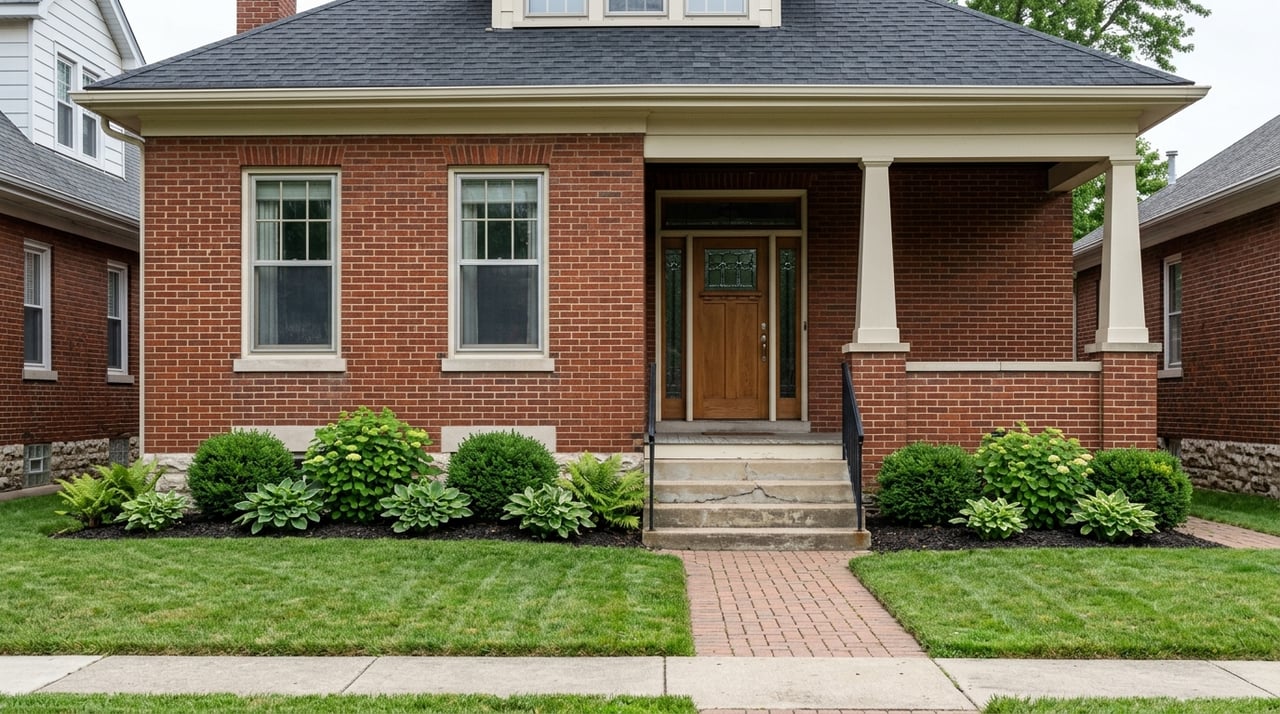
Owning A Historic Home In St. Paul
Dreaming about stained glass, original woodwork, and a front porch with real presence? Owning a historic home in St. Paul can be incredibly rewarding, but it also comes with questions that newer homes usually do not. If you are thinking about buying, updating, or selling an older property here, it helps to understand what makes these homes special, what can trigger city review, and which maintenance issues deserve extra attention. Let’s dive in.
St. Paul truly feels like an old-house city because so much of its housing was built decades ago. The city’s 2040 Comprehensive Plan lists 52,147 housing units built in 1939 or earlier, which gives buyers a wide range of older homes to explore.
That said, age alone does not make a property historically regulated. In St. Paul, historic status depends on formal designation, which may be local, state, or national. This is an important distinction if you love older homes but want to understand what rules may apply before you buy.
The city also has a formal preservation framework in place. St. Paul has more than 75 individually designated historic properties and 9 locally designated historic districts, and the Heritage Preservation Commission reviews certain proposed changes to designated sites.
If a home is in a local heritage preservation site or district, exterior changes may require city review before work begins. That can include exterior remodels or repairs that change appearance, construction, moving a structure, or demolition.
One detail many buyers find helpful is that painting is excluded from that review list. In other words, repainting may be more straightforward than changing siding, windows, porches, or rooflines, though lead-safe practices can still matter in older homes.
For you as a buyer or owner, the practical takeaway is simple: an older house may be full of character without being formally designated. But if the property is designated or located in a designated district, you should plan for extra review steps before making exterior updates.
St. Paul’s historic areas are not limited to one small pocket of the city. Locally designated districts include places such as Irvine Park, Jackson Street Shops, Lowertown, Jacob Schmidt Brewing Co., Summit Avenue West, and University-Raymond Commercial.
That mix matters because it shows how preservation in St. Paul includes residential, commercial, and industrial areas. If you are shopping for a home, it is wise to ask early whether the property sits within a local historic district or heritage preservation site.
One of the best parts of owning a historic home in St. Paul is the variety. City survey materials identify styles such as Queen Anne, Foursquare, Neoclassical Revival, Colonial Revival, Craftsman, Tudor Revival, and Mission Revival.
Even homes built around the same time can look very different from one another. That variety is part of the charm, but it also means that the details worth protecting can vary a lot from house to house.
Queen Anne homes often feature asymmetrical shapes, intersecting gables, decorative shingles, stained-glass or multi-pane windows, spindlework, and wraparound porches. These homes tend to have a lively, highly detailed exterior.
Colonial Revival homes usually lean more symmetrical. Common features include fanlights or Palladian windows, classical columns or pilasters, intersecting gables, and prominent front porches.
Craftsman homes are known for low-pitched roofs, wide eaves, exposed rafters or knee braces, and tapered porch columns. They often create a strong transition from the porch into the main living space.
Tudor Revival homes often stand out for steep rooflines, brick or stucco surfaces, half-timbering, tall narrow windows, and strong chimney presence. Their exterior materials and roof shape usually do a lot of the visual work.
Mission Revival homes typically feature light stucco walls, red clay tile roofs, deep openings, arched entries, and minimal ornament. Their look is often simpler, with the shape and materials carrying the style.
In most historic homes, character is carried first by the exterior details you notice right away. Windows, porches, rooflines, masonry, trim, and the proportions of the front facade often do the most to define how the house feels.
When those features change, the home can lose more of its identity than many people expect. That is why preservation guidance generally emphasizes keeping character-defining materials and features whenever possible.
For buyers, this is useful during showings. Try to look beyond paint color or decor and focus on what appears original, what has already been replaced, and what gives the home its visual identity.
Historic homes can be incredibly durable, but they usually come with a maintenance profile that is different from newer construction. In St. Paul, a few issues deserve special attention.
Lead is one of the most important health-related concerns in older homes. The Minnesota Department of Health advises homeowners to assume that any home built before 1978 contains some lead, and the EPA says about three-quarters of U.S. homes built before 1978 still contain some lead-based paint.
If you are buying an older St. Paul home, that means you should pay close attention before sanding, scraping, cutting, or opening walls. Disturbing painted surfaces can require lead-safe work practices.
Lead can also be a concern in plumbing materials. EPA guidance notes that lead can enter drinking water when plumbing materials corrode, especially where lead service lines or older plumbing are present.
Minnesota winters can be tough on older homes. University of Minnesota Extension notes that ice dams can leak into walls, ceilings, and insulation and can also contribute to mold and mildew.
This is one reason buyers should look carefully at the attic, insulation, and signs of past moisture. Sometimes what looks like a simple roof issue may actually point to air sealing or ventilation problems.
Brick and masonry features add a lot of beauty to historic homes, but they need the right kind of care. The National Park Service notes that masonry joints deteriorate over time and that improper repointing can damage the masonry itself.
If a home has an older foundation, chimney, or brick facade, it is worth asking how repairs were handled and whether the work was appropriate for the original materials.
Older windows are another major topic. Preservation guidance says windows should be evaluated for repair first, rather than treated as automatic replacement items.
That does not mean every old window must stay forever. It means the best approach is usually to evaluate condition, performance, hazardous materials, and code concerns carefully before deciding what to do.
If you own or buy a locally designated historic property in St. Paul, early planning matters. The city expects building plans for design review to be submitted with the permit application, and those plans must be drawn to scale.
For locally historic properties, meeting the applicable historic guidelines is enough to satisfy the city’s design standards. That makes it especially important to think ahead before changing windows, porches, siding, roofs, or building additions.
A good rule of thumb is to repair before replacing. When replacement is necessary, the goal is to keep the new work visually compatible with the original design, color, texture, proportions, and overall appearance.
Whether you are touring homes or planning improvements, asking the right questions early can save time and money later. Here are a few smart ones to keep in mind:
A historic home in St. Paul is rarely a quick cosmetic project. The homes that age best are usually the ones cared for with patience, planning, and respect for the details that make them distinctive.
That stewardship mindset can pay off in both enjoyment and long-term value. When you understand which features carry character, which updates may need review, and which maintenance issues deserve early attention, you can make better decisions from day one.
If you are considering a historic home in St. Paul or preparing to sell one, working with an agent who understands how age, condition, and local context affect value can make the process much smoother. For guidance on buying, selling, or evaluating an older Twin Cities property, connect with Blake Halverson Real Estate.
Whether you are buying, selling or investing in real estate, Blake has a proven track record to be the versatile agent you need. Through strong, aggressive representation, Blake will help you achieve your desired outcomes.
7700 FRANCE AVE S STE 230 EDINA MN 55435