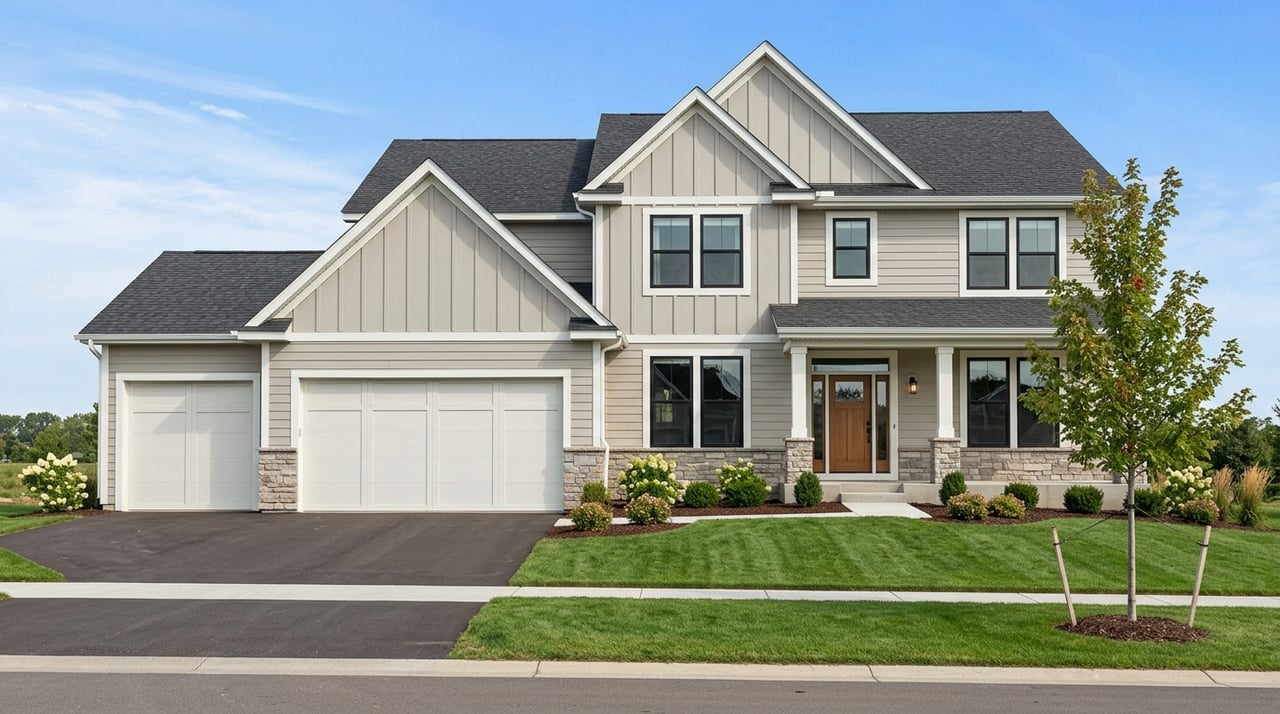
Maple Grove Home Sellers: Pricing And Prep Essentials
If you are getting ready to sell in Maple Grove, one mistake can cost you time and money fast: pricing from guesswork instead of current local evidence. Buyers in today’s market still have choices, and that means your home needs the right price and the right prep from day one. The good news is that with a smart plan, you can avoid common missteps and launch with more confidence. Let’s dive in.
Maple Grove’s recent housing data points to a market where strong listings can still move quickly, but buyers are not short on options. Minneapolis Area Realtors reported 1.7 months of inventory in March 2026, along with 36 days on market and a rolling 12-month median sales price of $430,000. Realtor.com’s April 2026 snapshot also showed active listings, a median listing price of $445,000, 26 days on market, and a 100% sale-to-list ratio.
Those figures come from different reporting methods, so they should not be compared line for line. Still, together they tell a clear story: Maple Grove is not a market for lazy pricing. If your home is positioned well, it can attract serious attention, but buyers have enough inventory to pass on a home that feels overpriced or underprepared.
One of the most important pricing rules for Maple Grove sellers is simple: do not use assessed value as your list price. Hennepin County states that assessed value is set as of January 2 each year, and it can differ from the price a home originally sold for. That makes county tax value useful for tax and property records, but not a direct stand-in for market value.
Instead, your pricing should start with recent comparable sales. The City of Maple Grove’s 2025 annual assessment summary reviewed 1,081 open-market residential sales and found an average residential sale price of $450,769. That citywide number is helpful for context, but it is not specific enough to price an individual home.
Maple Grove’s public data shows why broad averages can be misleading. In the city’s 2025 annual assessment summary, average sale prices varied widely by property type:
That spread matters. A townhome should not be priced like a detached single-family home, and an updated condo should not be judged against the citywide average alone. The best pricing approach looks at recent sales of similar homes with similar size, condition, features, and location.
Public records can help support your pricing decisions when used correctly. Hennepin County’s property information search includes sales information, assessment values, parcel descriptions, and recent recording history. For sellers, it is a strong starting point for confirming sale dates, recorded transfers, and basic property facts.
That said, public records work best as a verification tool, not your whole pricing strategy. The real value comes from comparing your home to recent same-type sales and then adjusting for condition, updates, lot, layout, and market timing.
Spring remains the busiest listing season across the Twin Cities, but that does not mean every spring listing performs the same way. Minneapolis Area Realtors’ April 2026 metro report showed that new listings rose 8.9% year over year and inventory rose 7.2%, while days on market increased to 57 and the median sales price slipped 2.0% to $392,000.
In plain terms, spring can bring more buyers, but it also brings more competition. If you wait until the market is crowded and your home is not fully ready, you can lose momentum quickly. Timing helps, but preparation is what makes timing pay off.
Zillow’s 2026 Best Time to List analysis found that Minneapolis metro homes listed in the last two weeks of May sold for 3.0% more on average, or about $11,700 on a typical home. That is metro-level data, not a guarantee for every Maple Grove property, but it does suggest that late spring can offer a valuable window.
For you, the takeaway is practical. If you want to target that seasonal peak, your repairs, cleaning, staging, and photography should be done well before then. The best listing window is only helpful if your home is truly market-ready when it opens.
A lot of sellers focus on the fun parts first, like décor and listing photos. In reality, the strongest prep plan starts with issues that could affect value, disclosures, or buyer confidence. A smart order can help you avoid delays and make better decisions about where to spend your time and money.
A practical prep sequence looks like this:
This order keeps you from spending on surface-level improvements before you understand the home’s bigger-picture condition.
A pre-sale inspection is not required, but it can be useful. Consumer guidance cited in the research report notes that it may uncover issues involving the structure, roof, plumbing, electrical system, HVAC, ventilation, and related health concerns. Finding problems early gives you more control over the next step.
You may decide to repair certain items, price around them, or prepare for disclosure conversations up front. That can reduce surprises once a buyer completes their own inspection. In many cases, clarity is just as valuable as a repair itself.
Not every home needs a long renovation list before it hits the market. Cosmetic updates are optional, but unresolved maintenance issues can create hesitation for buyers and affect negotiations. If you know there is a roof concern, plumbing problem, or mechanical issue, it usually makes sense to evaluate that before spending money on decorative touches.
Once the important items are addressed, move to the presentation layer. Clean windows, carpets, walls, and light fixtures can make a visible difference in both showings and photos. Small improvements to landscaping and the front entry can also strengthen first impressions.
You do not have to stage every square foot of your home to make it feel more appealing. According to the 2025 Profile of Home Staging cited in the research report, the rooms most often staged were the living room, primary bedroom, dining room, and kitchen. The same report found that 83% of buyers’ agents said staging makes it easier for buyers to visualize a property as their future home.
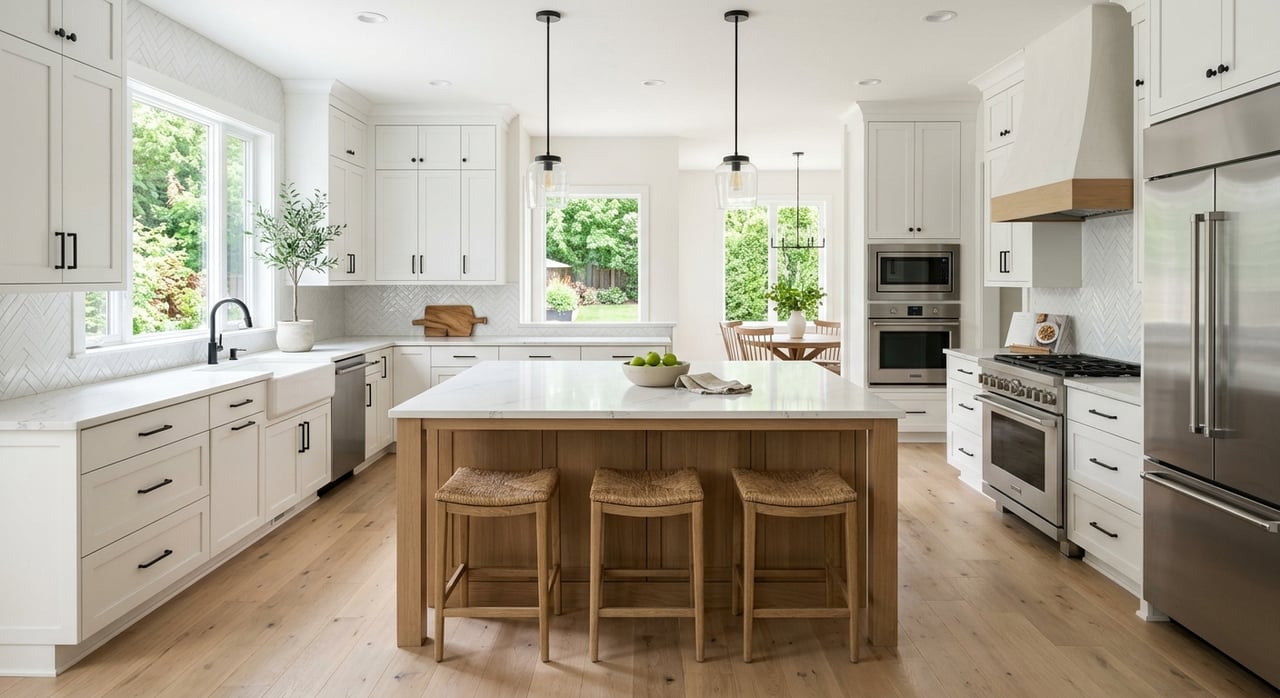
If you are prioritizing your efforts, start there. In many Maple Grove homes, those spaces carry the visual weight of the listing. A clean, light, and uncluttered presentation in those rooms can improve both photography and in-person showings.
Here is where many sellers get the best return on effort:
The goal is not perfection. The goal is to help buyers clearly see the space, layout, and condition.
Pricing and presentation matter, but paperwork matters too. Minnesota law requires seller disclosure for the transfer of residential real estate, though a waiver can be made in writing. Even if a waiver applies, it does not erase other legal disclosure duties created by other laws.
For homes built before 1978, federal lead-based paint disclosure rules apply. Sellers and agents must disclose known lead hazards, provide the required EPA pamphlet, share available records and reports, and keep signed acknowledgments for three years after the sale.
Minnesota’s Department of Health also says that in a real estate transaction, the seller must provide the buyer with any information on radon test results for the dwelling. The department strongly recommends indoor radon testing for all homes. If your property has prior test results or related records, gather them early so they are ready when needed.
One of the easiest ways to reduce stress during the listing process is to organize your records before the home goes active. Consumer guidance referenced in the research report recommends locating warranties, guarantees, and user manuals for systems and appliances that will stay with the home.
This may seem minor, but it can help your sale feel smoother and more transparent. It also makes it easier to respond quickly when buyers have questions during showings, negotiations, or inspection follow-up.
If you only take three ideas from this guide, make them these. First, price from recent comparable sales for the same property type, not from assessed value. Second, prep in the right order by starting with repairs and disclosures, then moving to cleaning, curb appeal, staging, and photos.
Third, if your timing is flexible, try to be fully ready ahead of the late-May market window rather than scrambling into it. In a market where buyers have options, thoughtful pricing and polished preparation can make a meaningful difference.
If you want a clear pricing strategy and a practical plan to get your home ready for market, Blake Halverson Real Estate can help you take the next step with confidence.

Whether you are buying, selling or investing in real estate, Blake has a proven track record to be the versatile agent you need. Through strong, aggressive representation, Blake will help you achieve your desired outcomes.

7700 FRANCE AVE S STE 230 EDINA MN 55435